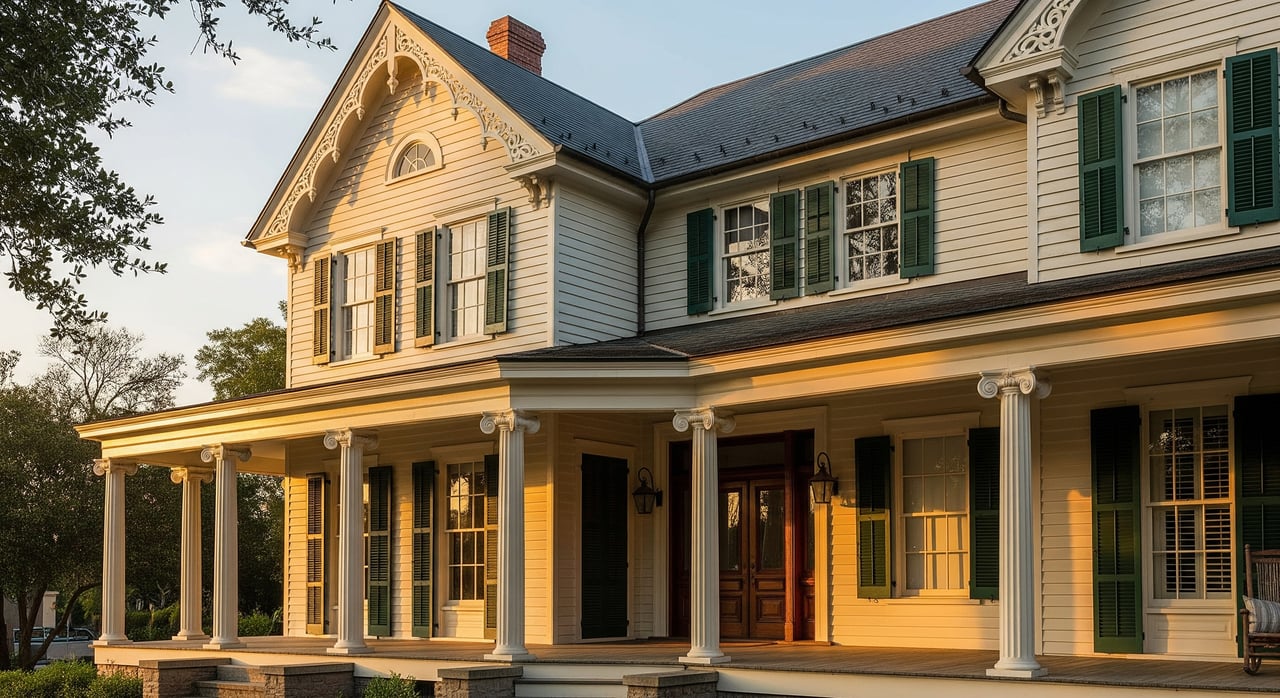
If you love wide porches, tall windows, and century-old woodwork, Midtown Mobile can feel like home at first sight. The charm is real, but so are the projects that come with an older house in 36606. You want the character without getting surprised by big repairs or red tape. This guide shows you what to look for, how to plan inspections and budgets, and how to navigate permits and insurance so you can buy with confidence. Let’s dive in.
Midtown 36606 home styles
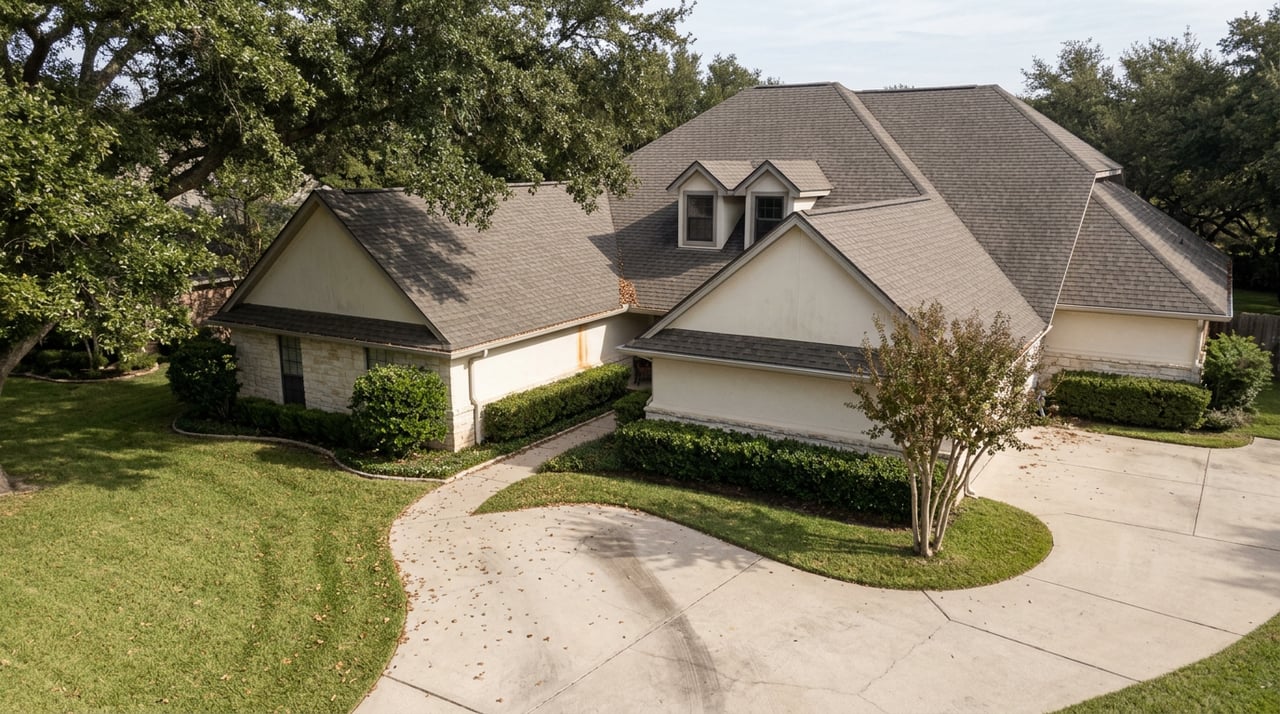
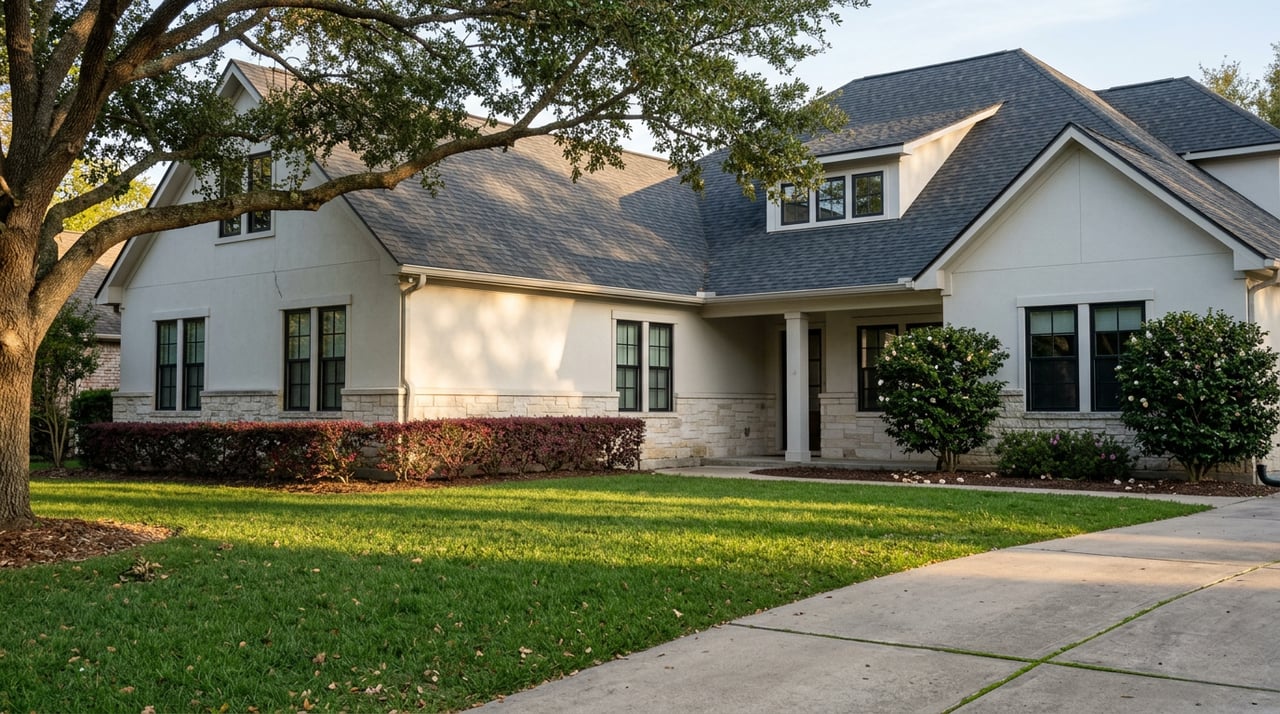
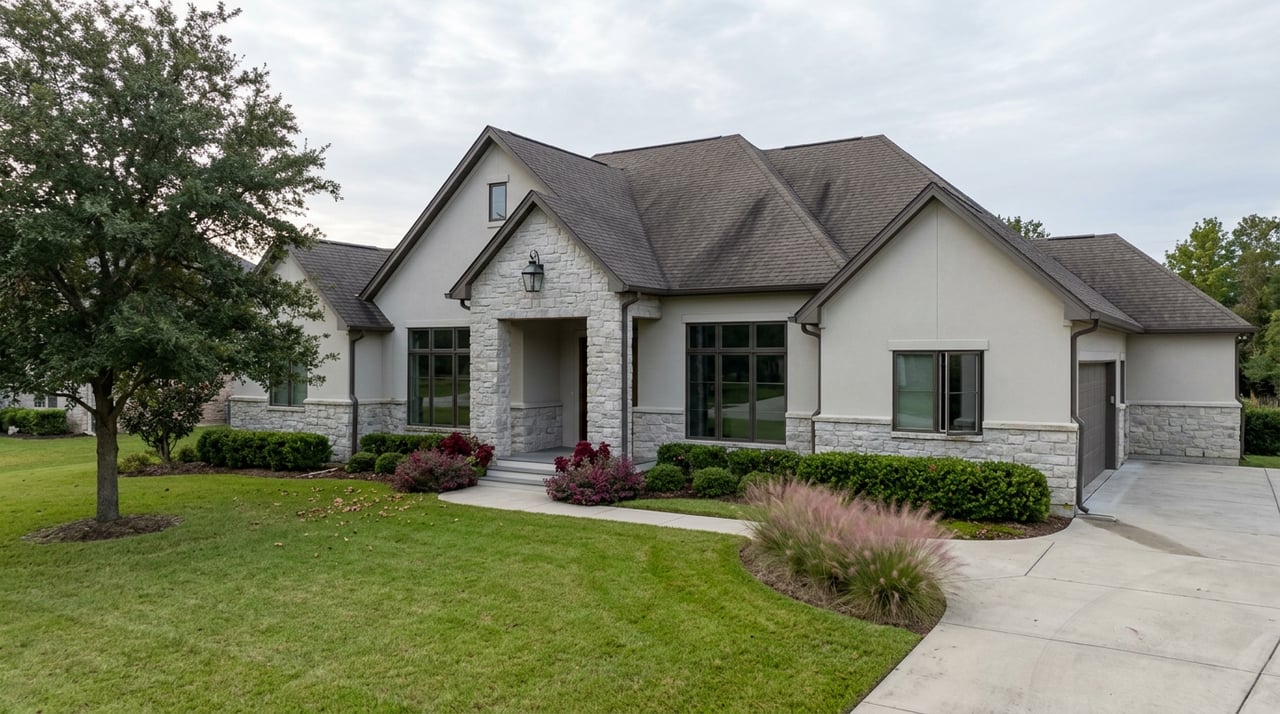
Midtown Mobile includes late 19th- and early 20th-century homes. You will see Victorian and Queen Anne details, Colonial Revival touches, Craftsman bungalows, and smaller worker cottages on some blocks. Lots are urban in scale with mature trees, and many homes feature full-width or wraparound porches that suit the Southern climate.
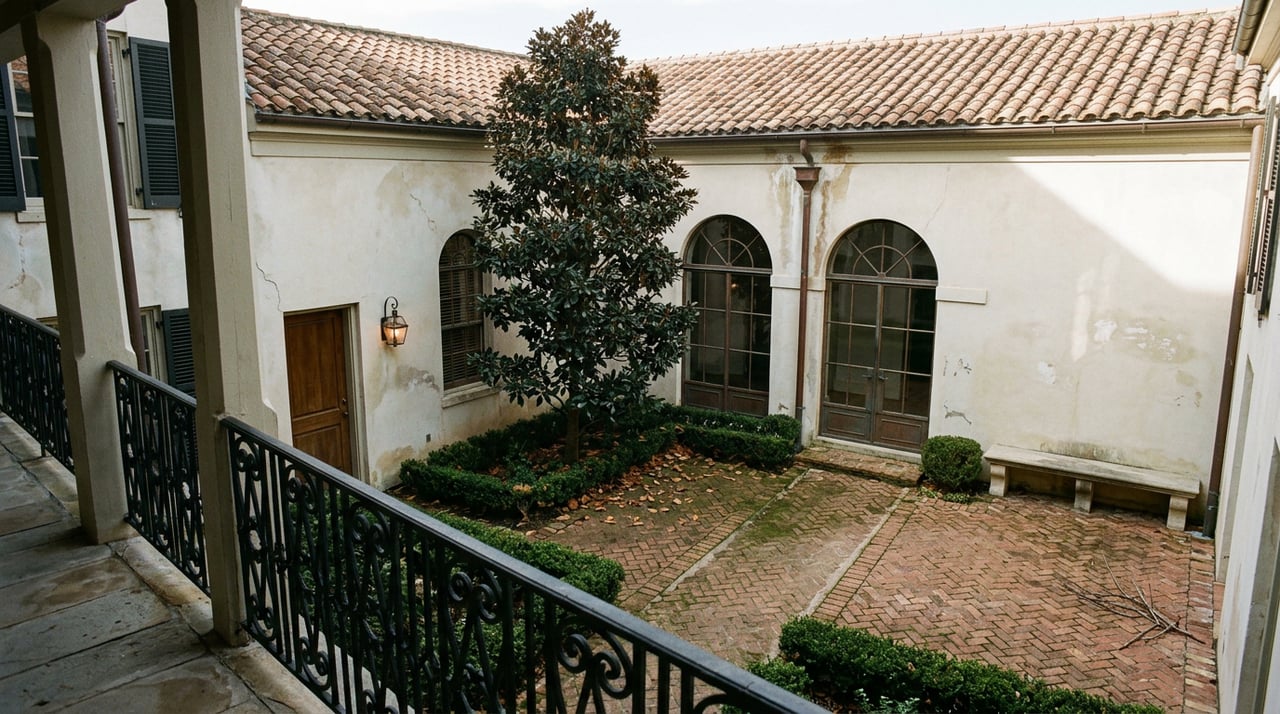
Construction reflects the era. Many homes sit on raised brick or masonry piers with crawl spaces rather than basements. Exteriors often have wood clapboard siding, decorative trim, and original wood or composite double-hung windows. Inside, you may find heart-pine floors, plaster walls, transoms, pocket doors, built-ins, and brick fireplaces.
These details drive maintenance and costs. Wood siding and trim need regular care. Original windows are worth preserving but need thoughtful repair to perform well. Raised foundations require attention to drainage and pests. Many homes have had piecemeal mechanical upgrades, so systems can vary by room and era.
Common updates to plan for
Older Midtown homes are sturdy, but most buyers plan for targeted updates soon after closing. Expect to address some of the items below.
- Electrical: Older wiring types and small panels are common. Plan for modern circuit capacity and AFCI/GFCI protection where needed.
- Plumbing: Galvanized supply lines corrode over time. Many owners repipe with copper or PEX and evaluate cast iron drain lines.
- HVAC and comfort: Systems may be older or inefficient. Upgrades often include properly sized central units, new ductwork, insulation, and air sealing.
- Roof and flashing: Historic roofs may need repair or replacement. Proper flashing and ventilation help prevent leaks and moisture buildup.
- Foundation and structure: Raised piers can settle. Watch for uneven floors, moisture in the crawl space, or termite damage.
- Moisture, drainage, and pests: Mobile’s humidity increases risk of rot, mold, and wood-destroying insects. Crawl space ventilation or encapsulation and site drainage improvements are common.
- Windows and exterior trim: Original wood windows and decorative elements deserve careful repair. Full replacement may trigger review if the property is locally designated.
Climate risks to factor in
- Hurricanes and wind: Roof strapping, hurricane ties, shutters or impact glazing, and solid connections reduce risk and can influence insurance costs.
- Flooding: Some Midtown areas fall within FEMA flood zones. Raised foundations help, but you should check flood maps and consider an elevation certificate for a specific property.
- High humidity: Expect more frequent paint cycles, wood repair, and dehumidification needs. Proper HVAC sizing makes a big difference in comfort and durability.
Energy and comfort upgrades
Walls and attics may have minimal insulation. Air sealing, attic insulation, and duct upgrades deliver comfort gains. When possible, repair and weatherstrip original windows and add storm panels to balance efficiency with preservation.
Inspections and tests to order
A focused inspection plan helps you set the right price, negotiate repairs, and prioritize work after closing. Sequence your due diligence so early findings guide specialist follow-ups.
Start with whole-house insight
- General home inspection: A licensed inspector should identify system age, safety issues, and needed repairs.
- Pest and termite inspection: Essential in the Gulf Coast climate and often required by lenders.
Target hidden and high-cost items
- Sewer scope: A camera inspection of the lateral can catch cracks, root intrusion, or bellies before they become emergencies.
- Roof evaluation: Confirm remaining life, flashing quality, and ventilation.
- Structural review: If settlement or major movement is suspected, a structural engineer can scope repairs.
- System specialists: Electricians and plumbers can estimate upgrades for older panels, wiring, or piping.
Health and moisture checks
- Lead-based paint and asbestos testing: Homes built before 1978 may contain lead-based paint, and older materials may include asbestos.
- Mold and moisture assessment: If you see stains, musty odors, or high humidity, test and plan for remediation.
Flood risk verification
- Flood zone and elevation: Review FEMA maps and consider an elevation certificate if the property is in or near a Special Flood Hazard Area.
Budget and timeline reality
Historic homes reward patience and planning. Build a budget that separates safety fixes from long-term preservation work.
Set first-year priorities
- Safety and code compliance: Electrical hazards, serious structural issues, active pest damage, and major water intrusion come first.
- Weather-tightness: Address roof leaks, flashing, and failing window or door seals.
- Mechanical systems: HVAC, plumbing, and essential utilities that make the home livable.
- Preservation work: Plan porch, window, and exterior woodwork projects with the right craftspeople.
Build a practical budget
- Immediate must-fix items: Set funds aside for roof leaks, structural repairs, major electrical or plumbing hazards, and pest treatment.
- Short-term upgrades: HVAC replacement, repiping, panel upgrades, and needed kitchen or bath updates within 1 to 2 years.
- Mid-term preservation: Exterior wood restoration, window work, porch reconstruction, and full paint cycles spread over several seasons.
- Contingency: Older homes often reveal hidden issues once work begins. A 10 to 25 percent contingency is a smart buffer, sized to your project scope and the home’s condition.
Expected timelines
- Small repairs and cosmetic updates: Weeks to a few months.
- System replacements: One to three months, depending on contractor schedules and permits.
- Major remodels: Several months to 12 or more months, especially if historic review or specialty trades are required.
Permits and historic review in Mobile
Understanding historic status helps you plan timelines and designs.
National Register vs local designation
National Register listing is mostly honorary for private owners and does not restrict changes unless federal funds or permits are involved. Local historic districts and landmarks are different. Local designation can require approval for exterior changes that affect historic character.
What typically needs approval
If your Midtown property is locally designated, exterior work that is visible from the street often requires a Certificate of Appropriateness. Common review topics include porch repairs or replacement, siding treatments and sometimes colors, window replacement, additions, and demolition. Many boards meet monthly, so allow several weeks to a few months for review on complex projects.
Building permits and floodplain steps
Structural, electrical, plumbing, and HVAC work typically requires building permits through the City of Mobile. Projects within floodplains may need additional floodplain permits or elevation documentation. Plan permit time into your schedule, especially if historic review is also required.
Insurance and financing notes
- Flood insurance: If the home is in a Special Flood Hazard Area, most lenders require flood insurance. Premiums depend on elevation, structure type, and past claims.
- Wind and hurricane coverage: Coastal exposure can raise premiums. Mitigation like roof straps, hurricane ties, and impact protection may help.
- Historic-home policies: Some insurers tailor coverage for older features and materials, sometimes with special endorsements.
- Lender requirements: Many underwriters want a clear termite report and acceptable electrical, HVAC, and utility access. Renovation loans exist for rehab projects but require extra documentation and contractor oversight. Historic review steps can affect draw schedules.
Local steps before you write an offer
Use this quick verification checklist for a 36606 historic home:
- Confirm whether the property is inside a local historic district or individually designated with City planning staff.
- Check permit history for past renovations or system upgrades.
- Review FEMA flood maps and ask for an elevation certificate if needed.
- Order a wood-destroying insect report and a sewer-scope.
- Request receipts and dates for major systems: roof, electrical panel, HVAC, and plumbing.
- Ask your closing team to check for any preservation easements, deed restrictions, or demolition controls.
Work with a local guide
Buying a historic home is part art and part process. You want someone who knows Midtown’s styles, the climate’s impact on buildings, and the steps to keep your project on track. Our family-led team pairs neighborhood expertise with full-service support from search and negotiations to inspections, financing, appraisal, and closing. We help you spot red flags, line up the right specialists, and plan a realistic path from offer to move-in.
If you are considering a historic home in Midtown Mobile, let’s talk about your goals and timeline. Start your search with eXp The Cummings Company and move forward with confidence.
FAQs
What historic styles are common in Midtown Mobile 36606?
- Victorian and Queen Anne details, Colonial Revival elements, Craftsman bungalows, and smaller worker cottages are typical, often with raised foundations and large porches.
Do I need approval to replace windows on a historic Midtown property?
- If the home is locally designated or in a local historic district, exterior changes like window replacement often require a Certificate of Appropriateness from the city.
Which inspections matter most for a 1900–1930s Midtown home?
- Start with a general home and termite inspection, then add a sewer-scope, roof assessment, structural review if needed, system specialists, and lead or asbestos testing for pre-1978 homes.
How much contingency should I budget for historic rehab?
- Many buyers set aside 10 to 25 percent of the rehab budget to handle hidden issues like rot, outdated wiring behind walls, or subfloor repairs.
How do hurricanes and flood zones affect insurance in Midtown?
- Properties in Special Flood Hazard Areas usually require flood insurance, and coastal wind exposure can increase premiums, with mitigation measures potentially reducing costs.
Are federal historic tax credits available for an owner-occupied Midtown house?
- The federal rehabilitation tax credit generally applies to income-producing historic properties, so it rarely applies to owner-occupied single-family homes unless part is income-producing.