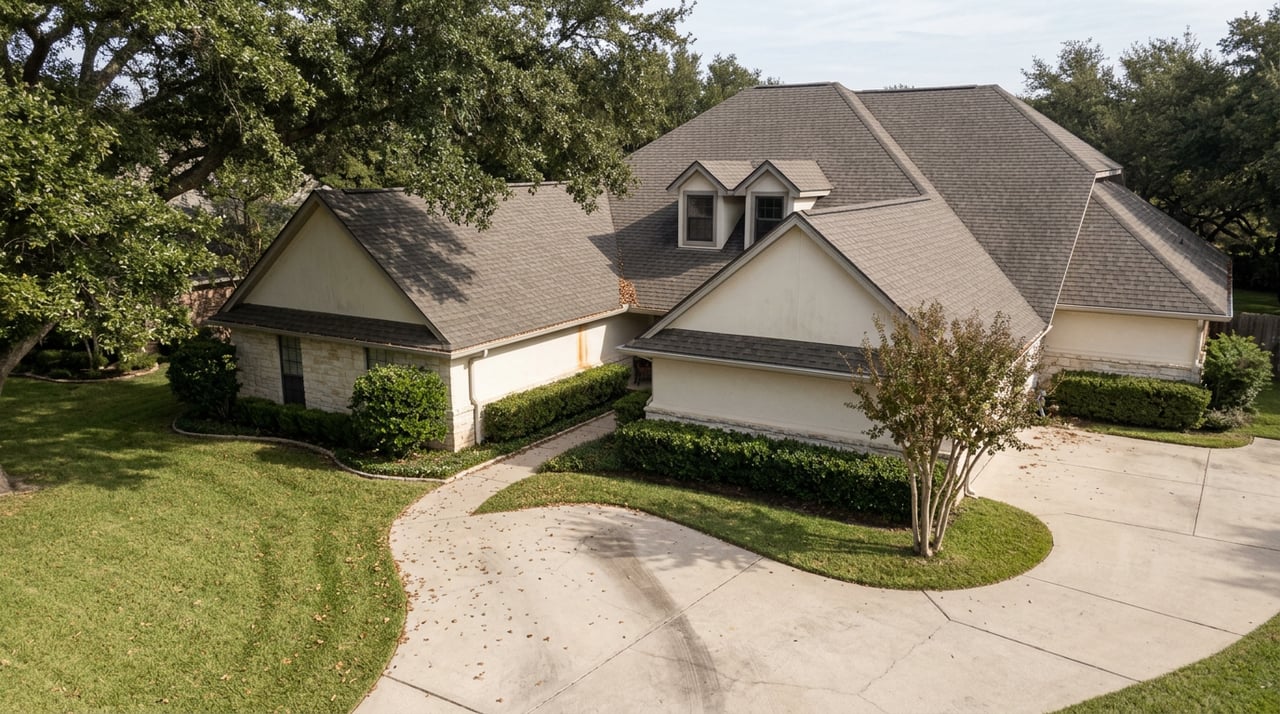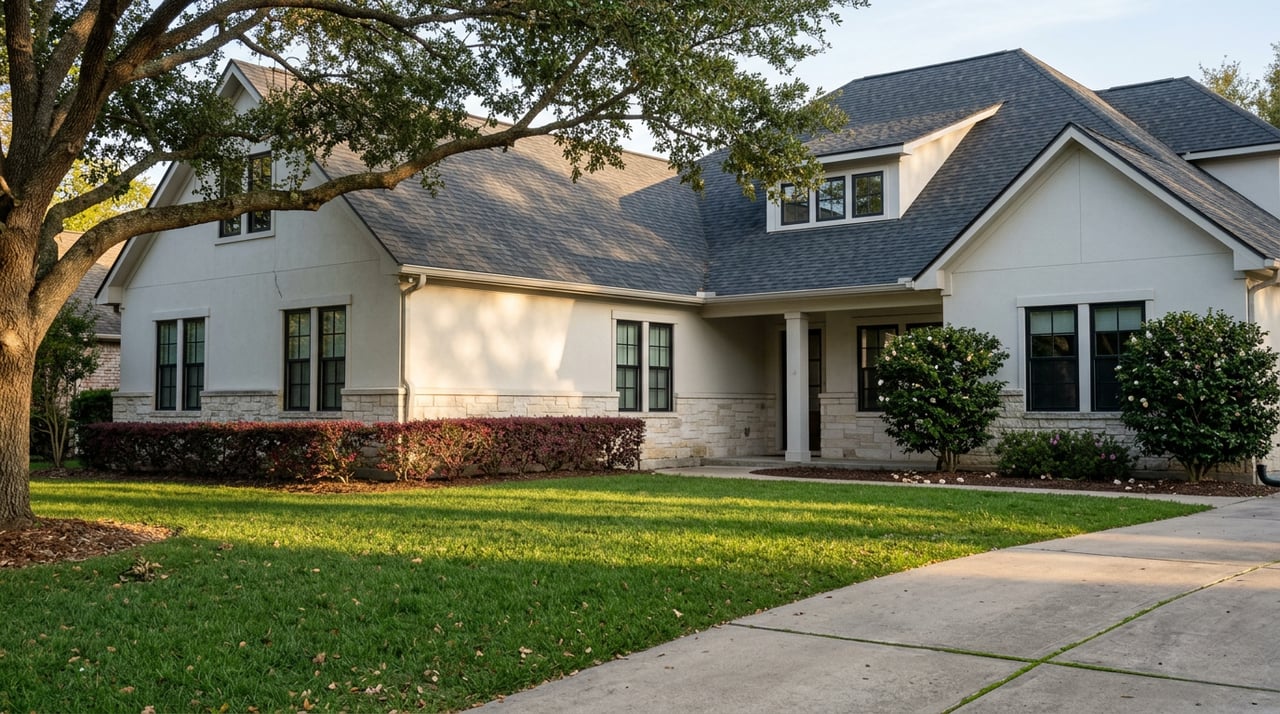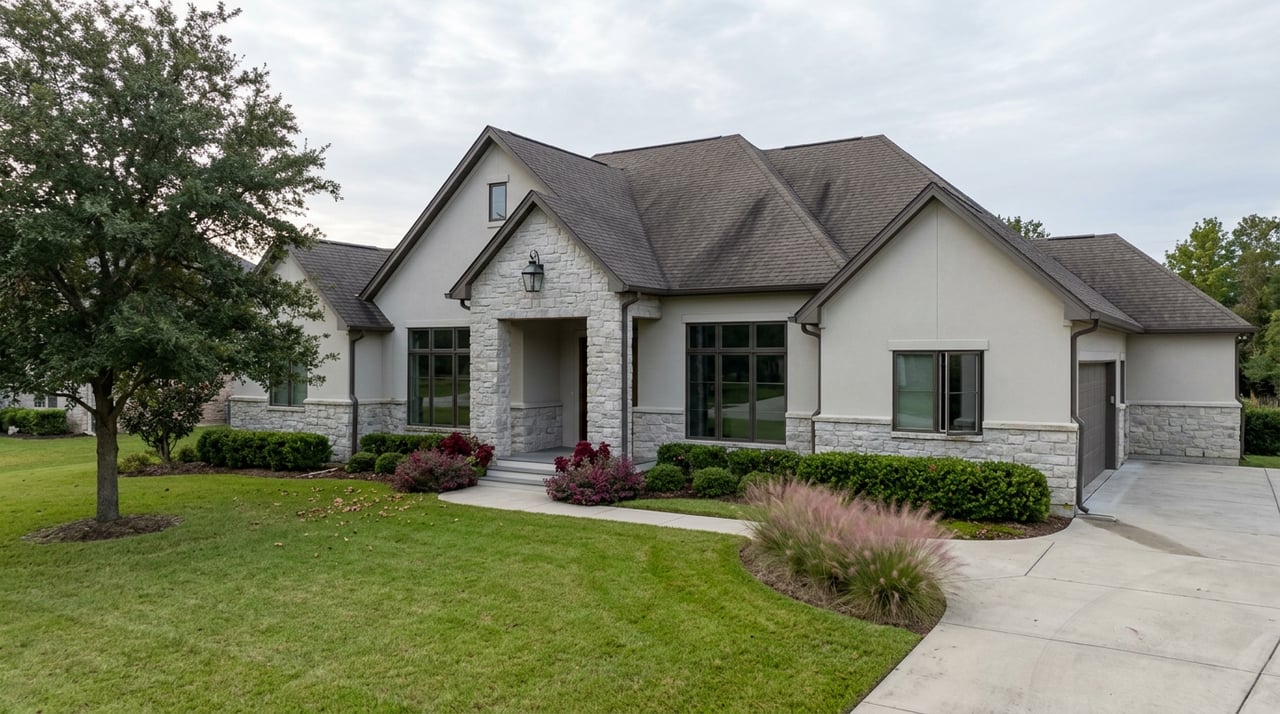
"Per seller, septic tank rated for a two-bedroom home." You'll find some version of that line buried in the fine print of Semmes listings right now, usually on acreage with a creek, a scattering of oaks, and a floor plan that reads like four bedrooms on paper. The listing photos show a house built for a family. The permit tells a different story.
That gap between what a Semmes house looks like and what its septic system is legally rated to support is the quietest closing problem in this market. It rarely shows up in a Zillow-style headline number. It shows up at the inspection table, or worse, after closing, when a buyer tries to convert a bonus room into a fourth bedroom and finds out the county won't sign off.
The State Counts Bedrooms Before You Do
Alabama's septic rules split every onsite sewage system into two categories: small-flow and large-flow. The dividing line is 1,800 gallons per day of wastewater, or twelve bedrooms, whichever comes first. Almost every house in Semmes falls into the small-flow category, but the reason that threshold exists at all is instructive. The state's own permitting math treats bedroom count as the proxy for how much wastewater a property will generate, and that logic doesn't stop at the twelve-bedroom line. It's baked into every individual permit, too.
When a septic contractor designs a system for a specific lot, the tank size and drainfield length get calculated against a specific bedroom count, not against whatever the eventual homeowner decides to call the extra room off the kitchen. A tank sized for two bedrooms was designed, tested, and approved for two bedrooms worth of flow. Turn a den into a third bedroom and the system underneath the yard hasn't gotten any bigger. That's why so many rural Semmes and Wilmer parcels list the rating right in the description. Sellers who've had the system inspected already know the number doesn't match the marketing.
Public Water Doesn't Mean Public Sewer
Here's the assumption that trips up buyers moving from a sewer-connected part of Mobile: seeing "public water" listed on a Semmes property and reading that as full public utilities. Water and sewer are separate systems, and in a lot of Semmes, you can have one without the other. Plenty of acreage listings advertise public water access to the street alongside a septic tank for wastewater disposal, because the county water line reaches the road long before a sewer main does. The manufactured home community at Pecan Point, for example, runs on a mix of gravel roads and well and septic utilities even though it sits close enough to town to feel suburban.
That combination is the norm for a wide swath of Semmes, not the exception. It's also the reason septic due diligence matters more here than in Midtown or Downtown, where the housing stock sits on city sewer and the bedroom-rating question simply doesn't come up. If you're comparing a Semmes acreage listing to a rehabbed bungalow closer to the city core, you're not just comparing square footage and lot size. You're comparing two completely different wastewater realities, and only one of them has a bedroom ceiling written into a county file.
What the Approval for Use Actually Proves
Every septic system installed under Alabama's rules eventually gets a document called the Approval for Use. It's issued once the local health department confirms the installation matches the approved permit, and it includes a diagram of the actual system layout. That diagram, not the listing description, is the closest thing to ground truth you'll get before closing.
The Mobile County Health Department's Onsite Sewage division handles this for every septic system in the county, residential and commercial, following the state's Onsite Sewage Treatment and Disposal Rules. Property owners and their agents, which includes real estate agents, attorneys, and septic contractors, can request the file directly. Buyers who aren't yet the owner of record typically go through the department's records request process instead, for a modest processing fee. Either path gets you the same thing: a legal record of what bedroom count the system was actually designed to serve, independent of whatever the seller's disclosure says.
Pulling that file before the inspection contingency expires is the single most useful thing a Semmes buyer can do that a generic home-buying checklist won't tell them to do.
The Two Numbers That Matter More Than the Median
Once you know the actual rating, two cost ranges determine whether the mismatch is a footnote or a dealbreaker.
A real estate transaction septic inspection, the kind that opens the tank, checks sludge and scum levels, and produces a written report, typically runs $300 to $650. That's the cost of finding out where you stand. It's a rounding error compared to what happens if the system fails outright. A full septic system replacement in Alabama, accounting for soil conditions, lot size, and local permitting, routinely lands between $10,000 and $25,000. If the property could instead connect to a nearby sewer main, a septic-to-sewer conversion runs a lower but still meaningful $5,000 to $15,000, with the connection fee and the distance to the main driving most of the variation.
Those numbers reframe the bedroom-rating disclosure. A two-bedroom rating on a four-bedroom house isn't a paperwork technicality. It's a signal that somewhere between five and twenty-five thousand dollars of system upgrade sits between the house as advertised and the house as legally usable at full capacity. Financing adds another layer of pressure here. FHA and VA lenders will often require a septic inspection if the appraiser flags any concern about the system's condition or age, and some lenders make it standard practice for any property on septic. A mismatch between the listed bedroom count and the septic rating is exactly the kind of thing that gets flagged, which means it can stall a loan file as easily as it can stall a renovation plan.
Who You Call When the Rating Doesn't Match the Listing
Once you've confirmed a mismatch, the next call is to a licensed septic contractor who can pump, inspect, and give you a straight answer on whether the existing system can be upgraded or needs full replacement. Discount Septic, based in Semmes and serving Mobile and the surrounding counties for close to three decades, is one of the local providers homeowners in this area actually use for tank pumping and field line replacement work. A local contractor who's worked the same soil types across dozens of Semmes properties will tell you faster than a national inspection franchise whether your particular lot supports an upgraded drainfield or whether you're looking at a full redesign.
Before that call, it helps to have a short list ready:
- The Approval for Use record from the Mobile County Health Department, showing the original bedroom rating
- Any pumping or repair receipts the seller can produce, since Alabama recommends pumping every three to five years
- A rough sense of your own bedroom needs, since a rating that matches your current use might not need to change at all
If You're Already Under Contract
If you're mid-contract on a Semmes property right now and just found out the septic is rated below the advertised bedroom count, you have more leverage than it feels like. Ask for the Approval for Use before your inspection contingency expires. If the rating is lower than the listing implies, that's a legitimate basis to request a price reduction, a seller-funded system upgrade, or an extended contingency period to get your own contractor's opinion on repair cost. Sellers who've owned a septic property for years sometimes genuinely don't know their own rating until a buyer asks, which means you're not accusing anyone of hiding something. You're just asking for the same document the county already has on file.
Frequently Asked Questions
Does adding a bedroom in Semmes always require a new septic permit? If the addition changes the home's design flow, meaning it pushes the house's actual bedroom count above what the existing system is rated for, the county will require a new or upgraded system before that room can count toward occupancy.
Who typically pays for the septic inspection in a Semmes contract? Convention varies, but it's common for the cost to be negotiated as part of the purchase agreement, similar to a general home inspection. Some sellers commission a septic inspection before listing specifically to avoid this becoming a late-stage negotiating point.
Can I request the septic permit file before I've made an offer? Yes. Anyone can submit a records request to the Mobile County Health Department's Onsite Sewage division for a property's septic file. Doing this before you write an offer, rather than during the inspection period, gives you leverage on price from the start instead of after you're already under contract.
If you're evaluating a Semmes property and want a straight answer on what its septic rating actually means for your plans, The Cummings Company can help you pull the right records before you write an offer. Start Your Home Search with a team that knows which questions Semmes acreage actually requires.