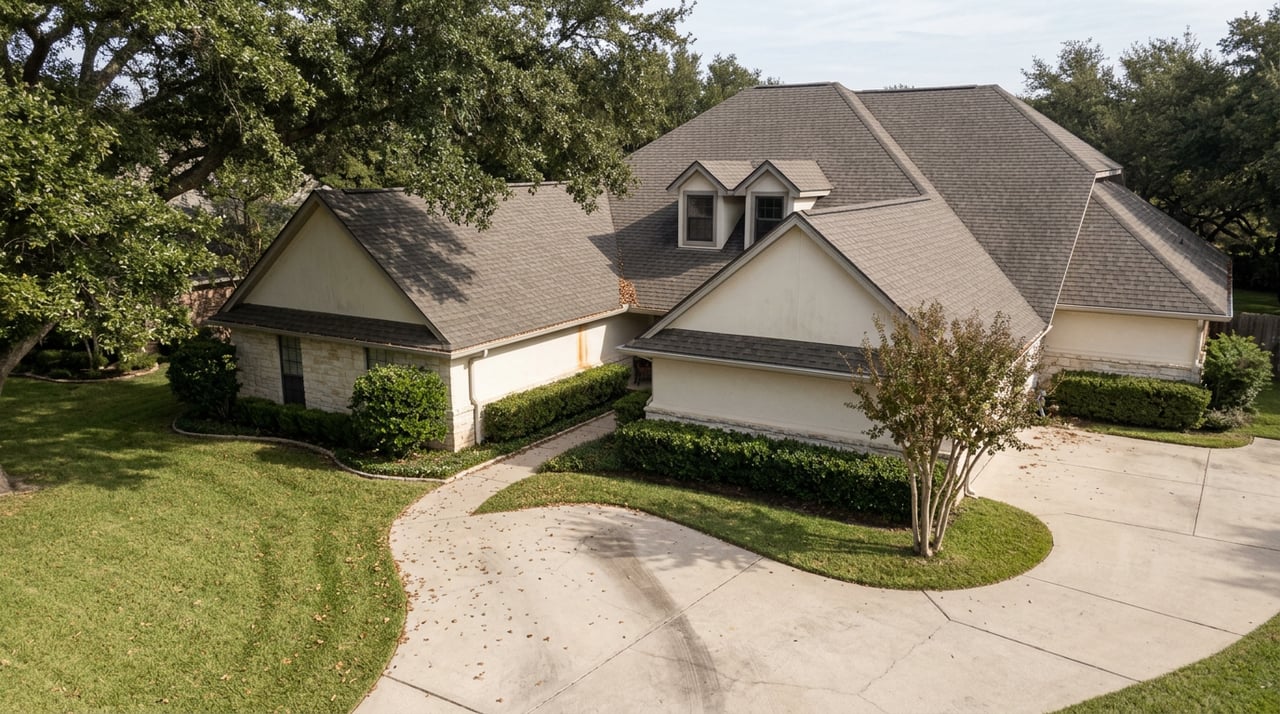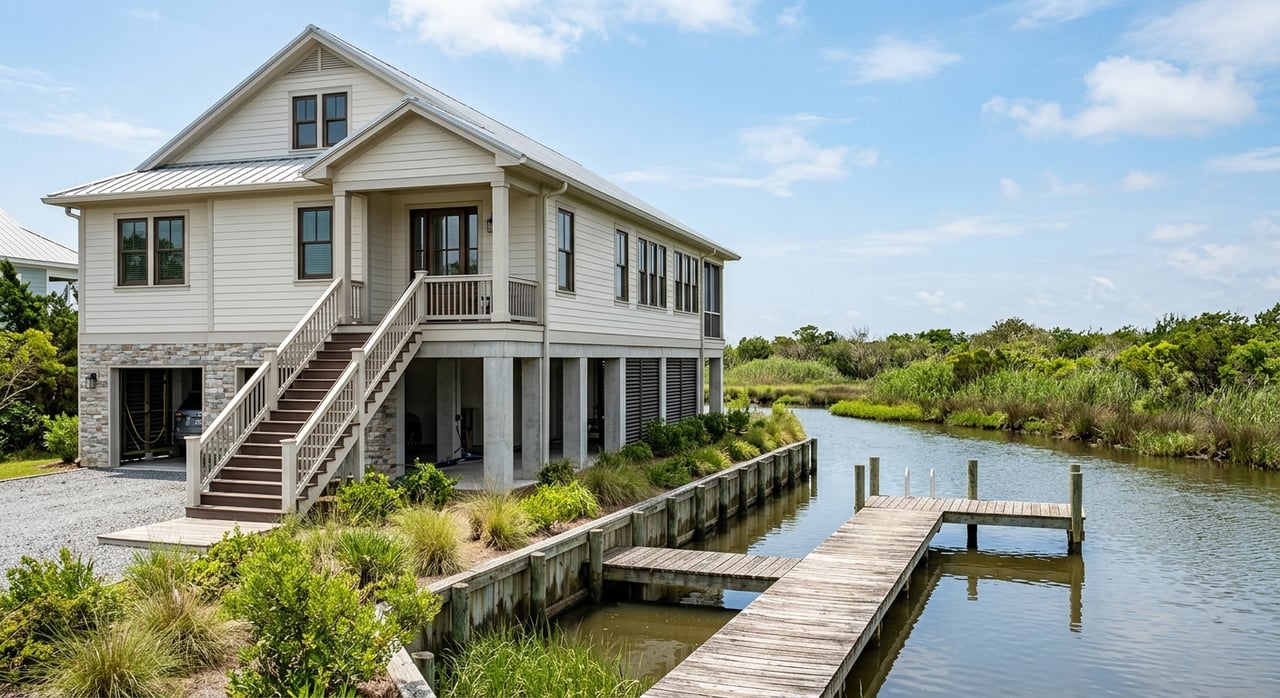
Buying waterfront on Dauphin Island Parkway can feel like landing your dream view and a long list of extra questions at the same time. You may love the idea of watching the water every day, but you also need to know what that setting can mean for flood risk, insurance, permits, and long-term upkeep. If you are considering a waterfront or bayview property in Mobile’s 36605 area, this guide will help you focus on the details that matter most before you make an offer. Let’s dive in.
Flood risk comes first
When you shop waterfront on Dauphin Island Parkway, flood risk is one of the biggest drivers of cost and financing. This area is not one uniform flood zone. Mobile County mapping shows a mix of AE and VE areas along the corridor, so the exact parcel matters more than the street name.
That is why you should verify the specific property, not assume two nearby homes carry the same risk. FEMA identifies A-family and V-family zones as Special Flood Hazard Areas. Zone VE is the coastal high-hazard category, where wave action and fast-moving water can increase damage potential.
Check the exact parcel
A waterfront purchase here should be treated as parcel-specific. The building footprint, lot lines, and even accessory structures can affect how a property is viewed for insurance and lending. A home on the same road as another may still have a very different flood profile.
As part of your due diligence, confirm the current FEMA flood zone and the Base Flood Elevation for the address. It is also smart to ask whether the house, garage, dock, or other improvements touch a Special Flood Hazard Area boundary.
Elevation can change the picture
Elevation data can materially affect your insurance and financing story. An elevation certificate or survey may help clarify how the home sits relative to flood risk, and that can support more accurate insurance quotes.
If a property appears to be mapped incorrectly, there are formal FEMA processes such as LOMA and LOMR that may allow an owner to seek an official map change. While an elevation certificate does not automatically set the premium, it can help identify rating details and possible discounts.
Insurance can reshape the budget
One of the biggest surprises for waterfront buyers is that standard homeowners insurance usually does not cover flood damage. Flood coverage is a separate policy. If the property is in a Special Flood Hazard Area, your lender will generally require that coverage before closing on certain loans.
This is where early planning matters. Insurance is not something to leave until the last week before closing, especially on waterfront property.
Flood premiums are property-specific
FEMA’s current NFIP pricing approach uses more than just the flood zone label. Premiums can reflect flood frequency, flood type, proximity to water, elevation, foundation type, first-floor height, and rebuild cost.
That means two homes on the same stretch of Dauphin Island Parkway can carry very different flood insurance costs. One may look like a deal at first glance, but the monthly payment may tell a different story once insurance is added.
Timing matters before closing
NFIP policies typically have a 30-day waiting period before coverage starts. In some purchase situations involving a government-backed lender, coverage timing can work differently, but the practical takeaway is simple: get the quote early.
If you wait too long, insurance can become a closing-day problem instead of a planned line item in your budget. Getting a quote before you write the offer can help you understand premium, deductible, and timing up front.
Docks and shorelines need review
On waterfront property, the house is only part of the purchase. Docks, piers, bulkheads, rip-rap, and other shoreline features can carry their own rules, records, and repair needs. These are not minor extras. They are regulated improvements that deserve close review.
Docks and boathouses have limits
ADEM coastal rules apply to piers, docks, boathouses, and similar pile-supported structures. These structures must be built on pilings in a way that allows tide movement to remain unobstructed.
There are also limits on what can be built at the waterward end. Residential add-ons in that area should not be placed over wetlands or submerged grassbeds, and they should not be habitable.
Bulkheads and erosion control are regulated
Shoreline armoring is also closely regulated. For bulkheads, rip-rap, and similar work, ADEM requires that fill not be placed in wetlands or submerged grassbeds unless authorized, that the structure be at or above mean high tide and landward of wetlands, and that there be no feasible non-structural alternative.
This matters because shoreline work can affect more than your lot. NOAA also notes that armoring can interfere with the natural movement of sediment and affect wetlands and habitat.
Permit history matters
On Dauphin Island Parkway waterfront parcels, permit history can be just as important as square footage. ADEM rules cover shoreline stabilization, wetlands and water bottoms, marinas, and other coastal activities.
Mobile County also notes that almost any work requires a permit. County inspection staff handle work tied to the Flood Damage Prevention Ordinance, and right-of-way permits may also be needed for driveways, drainage, and utilities. If the parcel falls inside the City of Mobile, city code also emphasizes minimizing disturbance to Mobile Bay, wetlands, and undeveloped floodplains.
Maintenance is higher than inland ownership
Waterfront living can be rewarding, but it usually comes with more upkeep than an inland home. Salt air, moisture, drainage, and shoreline exposure all add wear over time. That means your inspection strategy should be more detailed from the start.
Coastal wear is real
FEMA’s coastal construction guidance notes that metal corrodes faster near the ocean. For you as a buyer, that means it is wise to pay close attention to exposed fasteners, railings, dock hardware, anchors, and similar components.
A waterfront inspection is not just about the roof and HVAC. It should also account for the exterior materials and site conditions that take a beating in a coastal environment.
Drainage and runoff deserve attention
Mobile County’s stormwater program notes that runoff from yards, streets, and buildings drains into creeks, bays, and the Gulf. On a waterfront lot, drainage and erosion are not one-time issues. They are ongoing ownership concerns.
That is why grading, drainage patterns, and signs of erosion should be part of your review before closing. A beautiful lot can still come with recurring site work if water movement has not been managed well.
Sewer and septic should be verified
For older waterfront homes, utility questions can affect both current use and future plans. City and county standards generally expect public sewer to be used where available. Where sewer is not available, an approved private sewage disposal system may be allowed with health-department approval.
If you are considering additions, major repairs, or a future rebuild, sewer or septic status becomes even more important. Verify it early rather than assuming the existing setup will support your plans.
A smart buyer checklist
Before you move forward on a waterfront property in 36605, keep your due diligence focused on the items that can change cost, timing, and usability.
- Confirm the current FEMA flood zone and Base Flood Elevation for the exact parcel.
- Check whether the home footprint or accessory structures touch a Special Flood Hazard Area boundary.
- Ask for an elevation certificate or survey.
- Request any prior LOMA or LOMR paperwork if the property has been mapped or remapped.
- Get a flood insurance quote before writing the offer.
- Review the premium, deductible, and expected coverage timing.
- Request permit history, as-builts, and repair records for docks, bulkheads, and shoreline stabilization.
- Verify sewer or septic status, especially for older homes or lots where you may want to expand.
- Inspect for corrosion, drainage issues, and signs of erosion.
Why local guidance helps
Waterfront purchases on Dauphin Island Parkway are rarely plug-and-play. A home can look straightforward online, but the real story often comes from flood maps, elevation details, insurance quotes, permit records, and site-specific inspections.
That is where local, hands-on guidance can make the process smoother. When you have a team that understands Mobile-area property types, waterfront quirks, and the steps from search to closing, you can make decisions with more confidence and fewer last-minute surprises.
If you are thinking about buying waterfront on Dauphin Island Parkway, eXp The Cummings Company can help you evaluate the details, line up the right due diligence, and move forward with clarity.
FAQs
What should you check first before buying waterfront on Dauphin Island Parkway?
- Start by confirming the exact FEMA flood zone, Base Flood Elevation, and whether any part of the home or accessory structures falls within a Special Flood Hazard Area.
Does a homeowners policy cover flood damage on Dauphin Island Parkway?
- No. FEMA states that most homeowners insurance does not cover flood damage, so flood insurance is typically a separate policy.
Can two waterfront homes on the same street have different flood insurance costs?
- Yes. FEMA’s current pricing approach uses property-specific factors like elevation, foundation type, proximity to water, first-floor height, and rebuild cost.
Why does permit history matter for waterfront property in Mobile?
- Permit history matters because docks, bulkheads, shoreline stabilization, drainage work, and other coastal improvements are regulated and may affect future repairs or changes.
What waterfront structures are regulated on Dauphin Island Parkway properties?
- Piers, docks, boathouses, bulkheads, rip-rap, shoreline stabilization work, and other coastal improvements may all fall under ADEM and local permitting rules.
Why should you verify sewer or septic before buying a waterfront home in 36605?
- Sewer or septic status can affect present use, future additions, and rebuild plans, especially on older waterfront properties where utility setups may not be obvious.