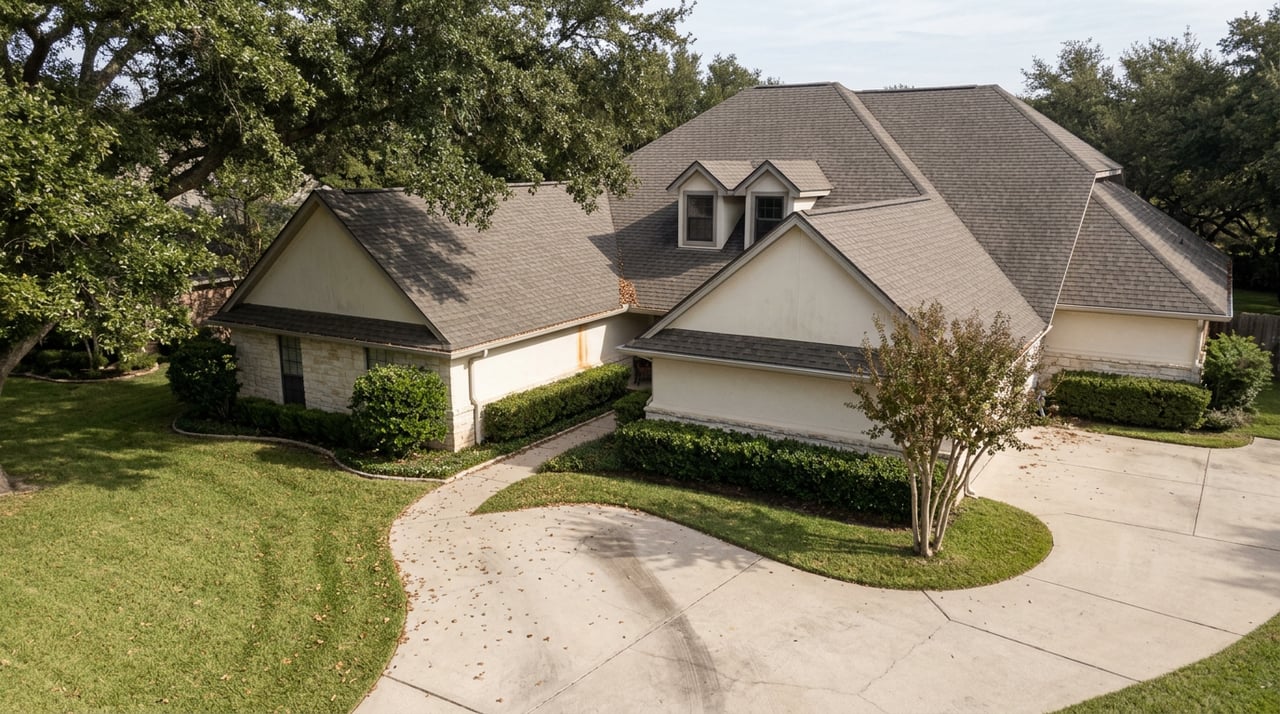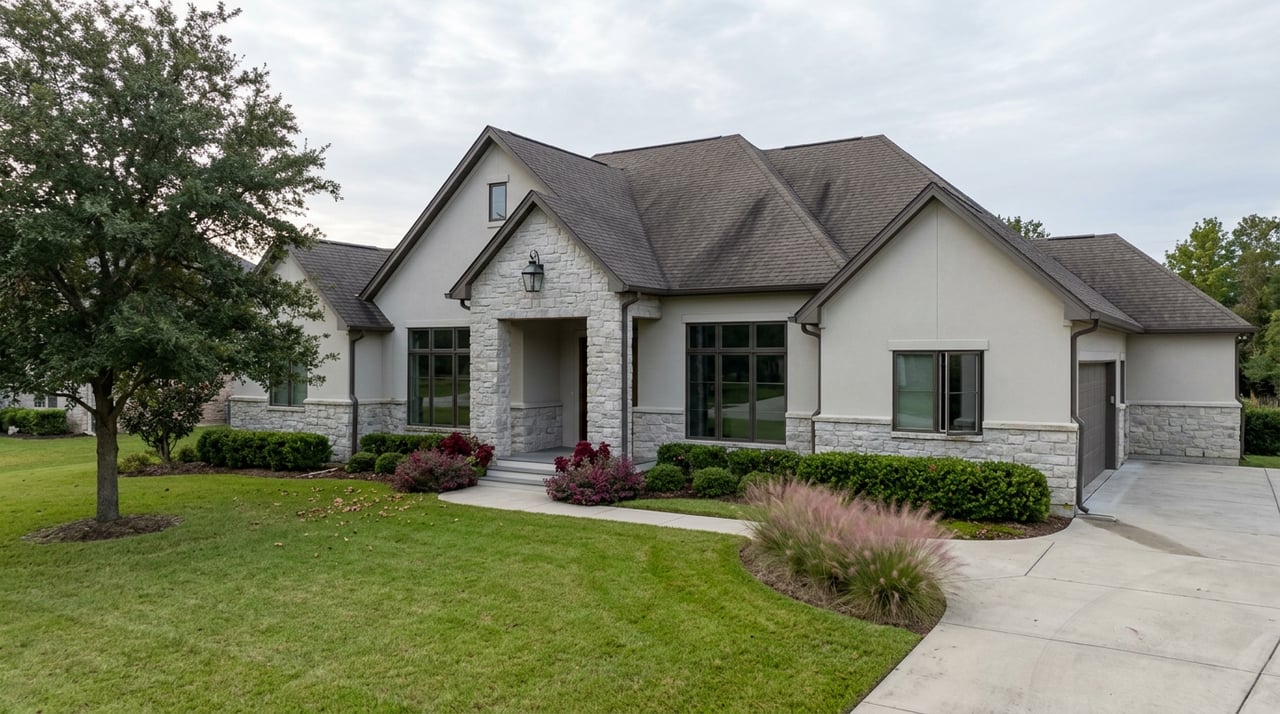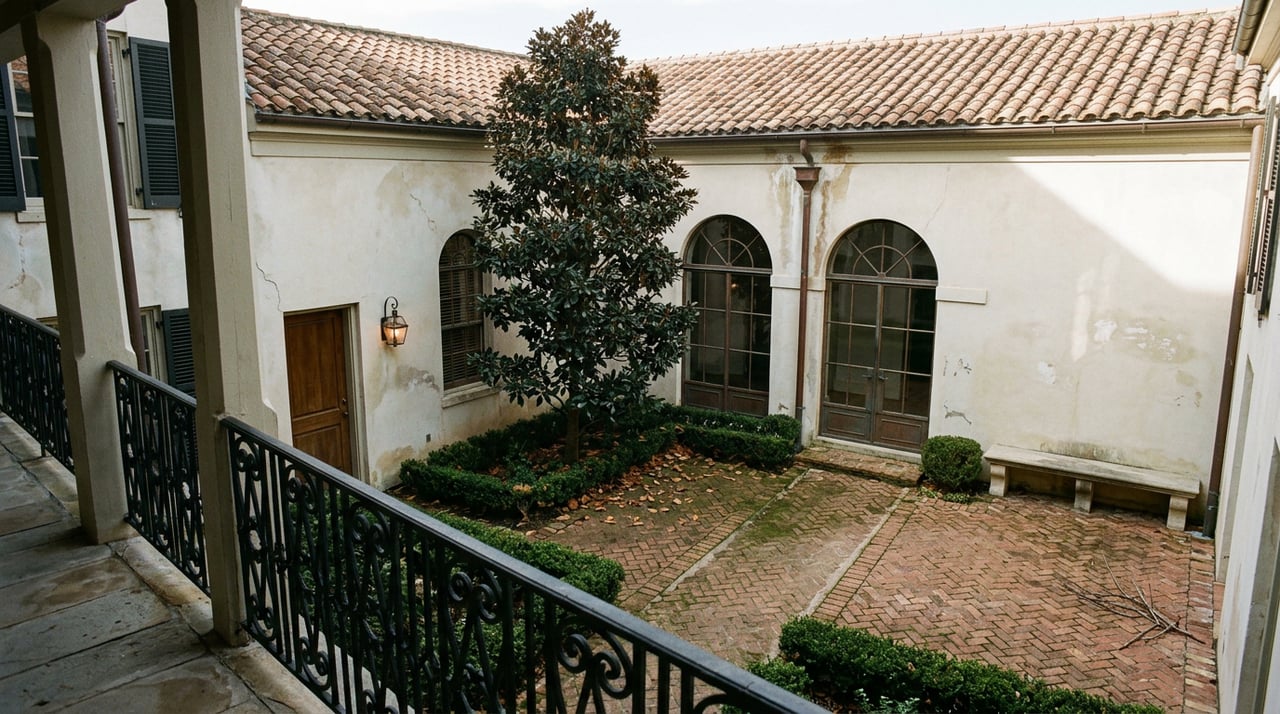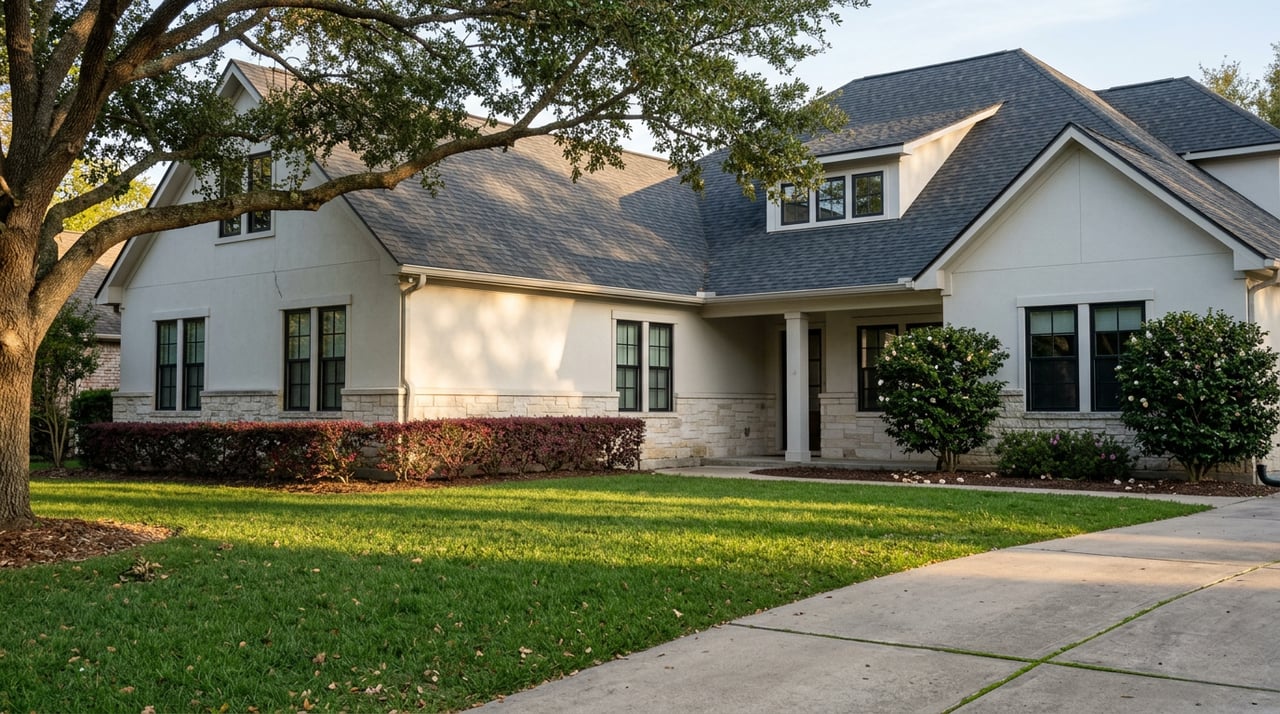
At 5070 Old Shell Road, a single residential lot is caught between two versions of Spring Hill's future. In December 2025, a developer asked the Mobile Planning Commission to split it into six smaller "cottage" lots. The commission said no. In February 2026, the same plan came back, with the same six-lot count, the same basic layout, and only the case number changed.
Whatever the commission eventually decides on that particular parcel, the fact that the exact same proposal was resubmitted almost unchanged tells you something worth knowing if you're shopping Spring Hill for a big, oak-shaded lot: the zoning code that supposedly protects those large lots is the same code a developer is using to try to erase one.
What the Overlay Actually Permits
Spring Hill isn't governed by Mobile's standard citywide zoning alone. It has its own supplemental rulebook, Article 13 of the city's Unified Development Code, built specifically for what the ordinance calls the Village of Spring Hill. That framework traces back to a nonprofit called Village of Spring Hill, Inc., formed in 2006, which hired the planning firm Dover, Kohl & Partners to run a week-long community design charrette in November 2007. The resulting document, known locally as the Blueprint for Spring Hill, split the overlay area into three sub-districts of decreasing intensity: Village Center, Neighborhood Center, and Neighborhood General.
The 5070 Old Shell Road parcel sits in Neighborhood General, the lightest-touch of the three, the one meant to feel the most residential. That matters because the whole point of an area-specific overlay is that it can permit configurations the base citywide rules wouldn't otherwise allow, tailored to what a neighborhood's own planning process decided it wanted. In Spring Hill's case, part of what that planning process wanted was more housing variety close to its commercial nodes, which is exactly the argument a developer can make when proposing to turn one legal lot of record into six.
The plat conditions attached to the February filing add a detail that shows how differently this overlay treats new construction. Planners required the site plan to illustrate a 25-foot maximum building setback line along the street frontages. Most residential zoning sets setbacks as a minimum, a required distance a house must sit back from the street. The Spring Hill Overlay flips that logic for a maximum, pulling new buildings closer to the road to preserve the walkable, village-like street wall the 2007 charrette was designed to create. The same code written to protect Spring Hill's pedestrian character is the code making a six-lot cottage layout plausible on paper.
The Corner Lot Math
Here's the detail that explains why this particular property, and not just any large Spring Hill lot, is the one being tested. The parcel doesn't just front Old Shell Road. It also touches Parkway Street East, East Border Drive, and an alley. Four points of access on one lot is unusual, and it's what makes a six-lot subdivision geometrically workable. Each new lot can be arranged to reach a street or the alley without landlocking anybody.
Citywide subdivision rules require every new residential lot to be at least 50 feet wide at the building setback line in areas designated Urban, or 60 feet wide in areas designated Suburban. That floor applies whether a lot has one frontage or four. A single-frontage parcel along Old Shell Road can only stretch its linear footage one direction, which caps how many 50-or-60-foot-wide lots it can produce no matter how many acres sit behind it. A corner parcel with frontage on three streets and an alley has room to arrange six lots that each still clear that width minimum. So the lesson isn't "any big lot in Spring Hill could become six lots tomorrow." It's narrower and more useful than that: multi-frontage lots, especially ones touching an alley, are the ones structurally set up to attract this kind of proposal. If you're evaluating a large parcel for its long-term stability against redevelopment next door, the number of streets it touches tells you more than the acreage does.
The paperwork trail adds a small, telling wrinkle. The application for the February refiling listed the subdivision name as "Spring Hill Cottages," while the plat itself was drawn under a different name, one of several minor corrections the planning staff flagged before the case could move forward. Small inconsistency, but it underscores how much of this process happens in procedural detail that never shows up on a listing sheet.
The Portal Number Problem
The same boundary confusion that separates a subdividable corner lot from an ordinary one also shows up in the price you see for "Spring Hill" on a general search, and it depends heavily on whose boundary is being used. One widely cited investor estimate lumps Spring Hill together with the adjacent College Park area, tied to its proximity to Spring Hill College, and lands on an average home price near $526,000. A separate estimate that treats Spring Hill as its own category, describing it as family-friendly with steadily growing values, puts the average closer to $220,000.
Neither number is really wrong. They're answering different questions about where Spring Hill starts and stops. What they share is a problem: neither one tells you anything about the specific lot you're looking at, whether it has one street frontage or four, or whether it sits in a sub-district where a six-lot subdivision is even structurally possible.
For a citywide anchor point, Mobile's median sale price came in at $230,000 over the three months ending June 2026, up 3.3 percent from the same period a year earlier, with homes selling in an average of 32 days. That's a Mobile-wide figure, not a Spring Hill one, and the gap between it and the wildly different Spring Hill estimates above is itself the point. A median is a summary of many different lots, streets, and zoning realities compressed into one number. In a neighborhood where the overlay code actively permits a big lot to become a set of small ones, that compression hides more than it reveals.
The site was most recently before the Planning Commission at its December 18, 2025 meeting with a six-lot subdivision application, similar to the current application, where the subdivision failed to be approved.
That single line from the staff report is worth sitting with. A plan gets rejected, then comes back nearly unchanged two months later. That's not an anomaly in how Spring Hill zoning works. It's how the overlay is designed to function, allowing repeat attempts as staff comments get resolved and plats get revised, right up until something gets approved or the applicant walks away.
What This Means If You're Buying or Selling Near Old Shell Road
If you're drawn to Spring Hill specifically for a large lot, check what else is on that lot beyond the acreage. A parcel with frontage on more than one street, or access to an alley, carries redevelopment potential that a single-frontage lot of the same size does not. That can be an upside if you'd eventually want to sell to a builder, or a factor worth weighing if privacy and mature tree canopy are why you're buying in the first place.
If you already own or are considering a lot that borders a large, multi-frontage parcel, it's worth knowing that subdivision applications are public record and move through the Mobile Planning Commission on a published agenda. The case at 5070 Old Shell Road is one example among what will likely be more as Spring Hill's commercial nodes along Old Shell and McGregor keep drawing interest.
One more practical detail if a lot near you does redevelop: heritage trees on undeveloped residential sites, developed sites within historic districts, and commercial sites all require a tree removal permit under city code before they can come down. That applies whether the lot is being split into six or simply cleared for one larger new build, and it's a step that gets missed more often than it should when a big old lot changes hands.
None of this settles what happens at 5070 Old Shell Road. It does settle something more useful for anyone comparing neighborhoods right now: Spring Hill's reputation for big lots is real, but it isn't a fixed feature of the zip code. It's the current output of a zoning overlay that was written to allow exactly the kind of change now working its way through a Planning Commission agenda.
If you're weighing a lot in Spring Hill, whether it's a long-held family property near Old Shell Road or a newer listing close to one of the neighborhood's commercial nodes, it helps to have someone read the zoning file before you write the offer, not after. The Cummings Company works this market block by block. Start Your Home Search when you're ready to look at what a specific lot can actually become, not just what it looks like today.