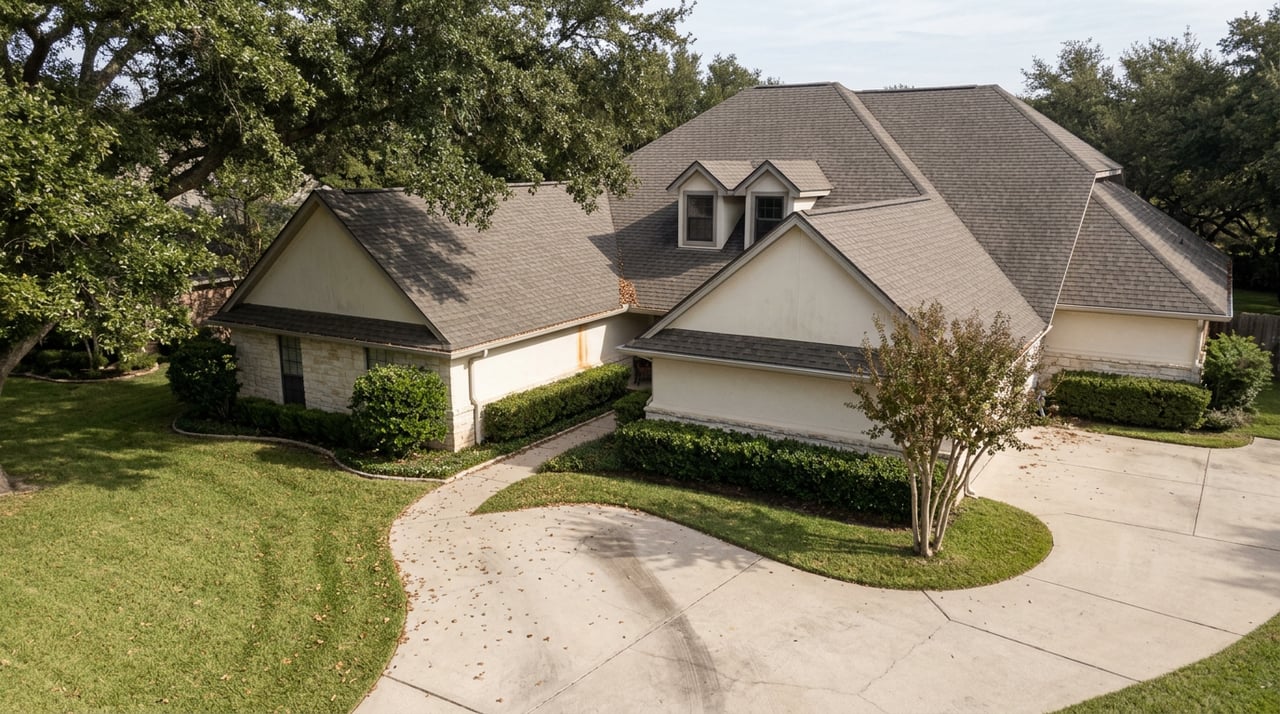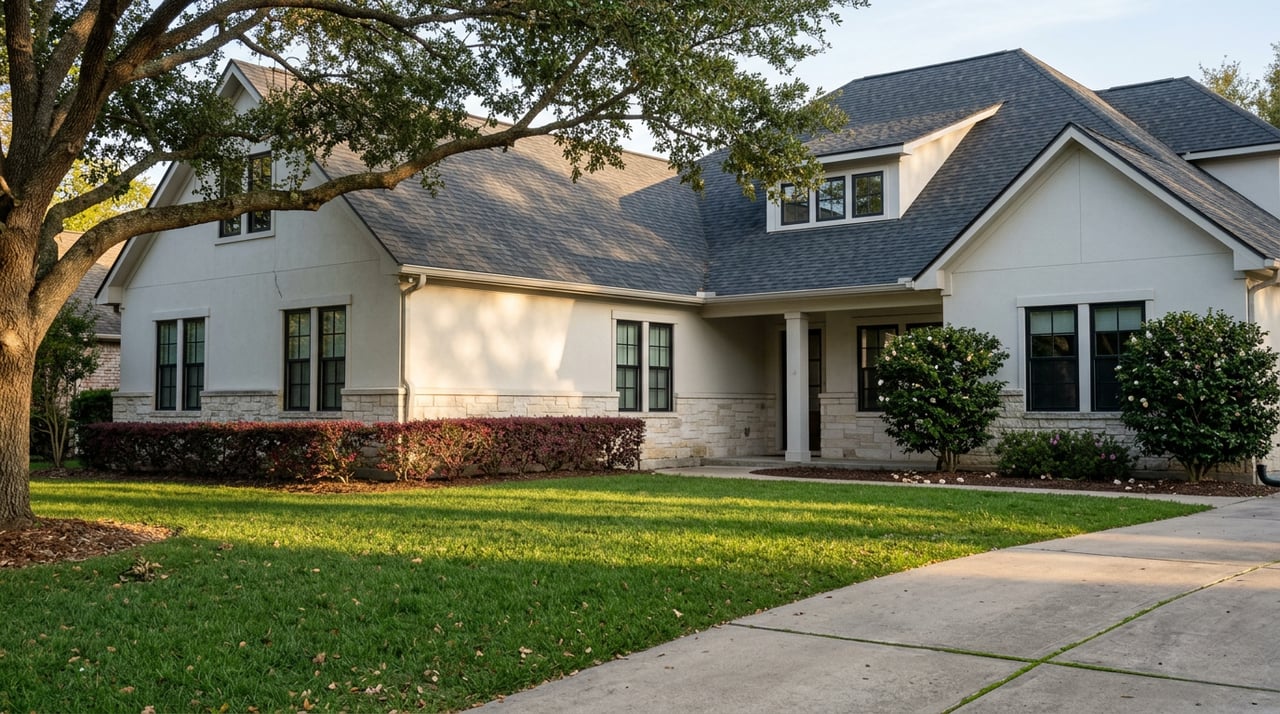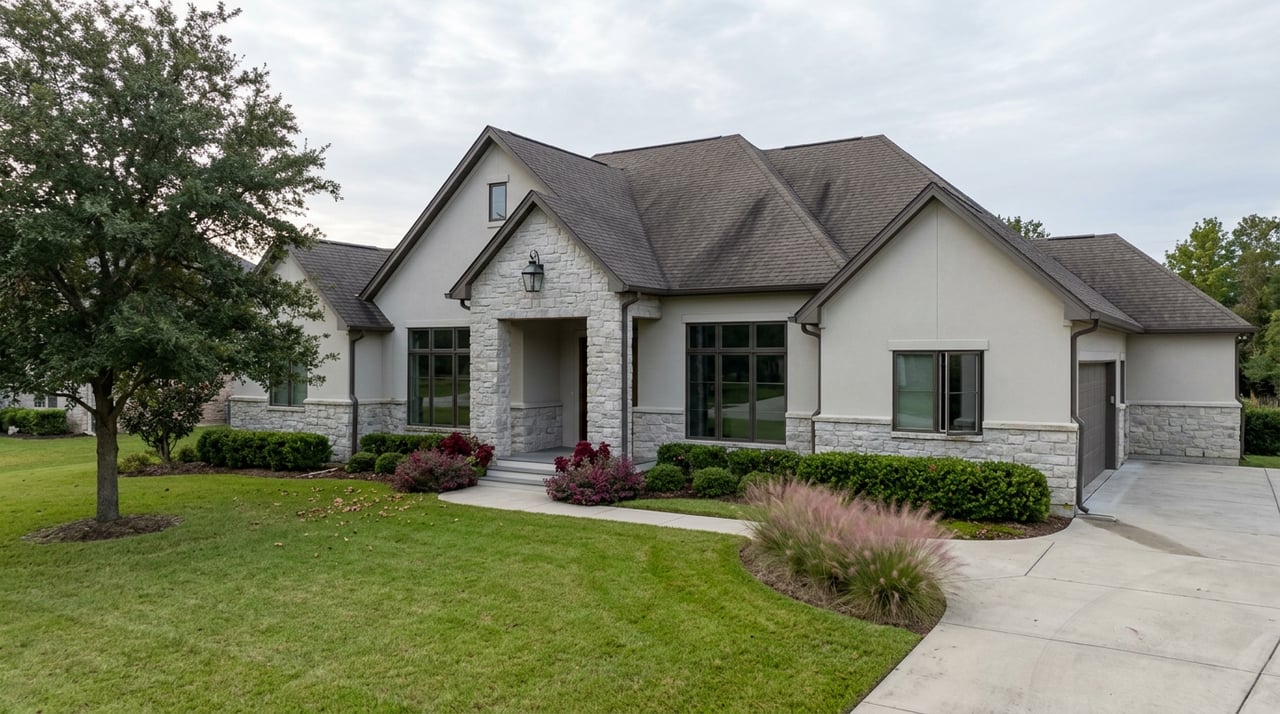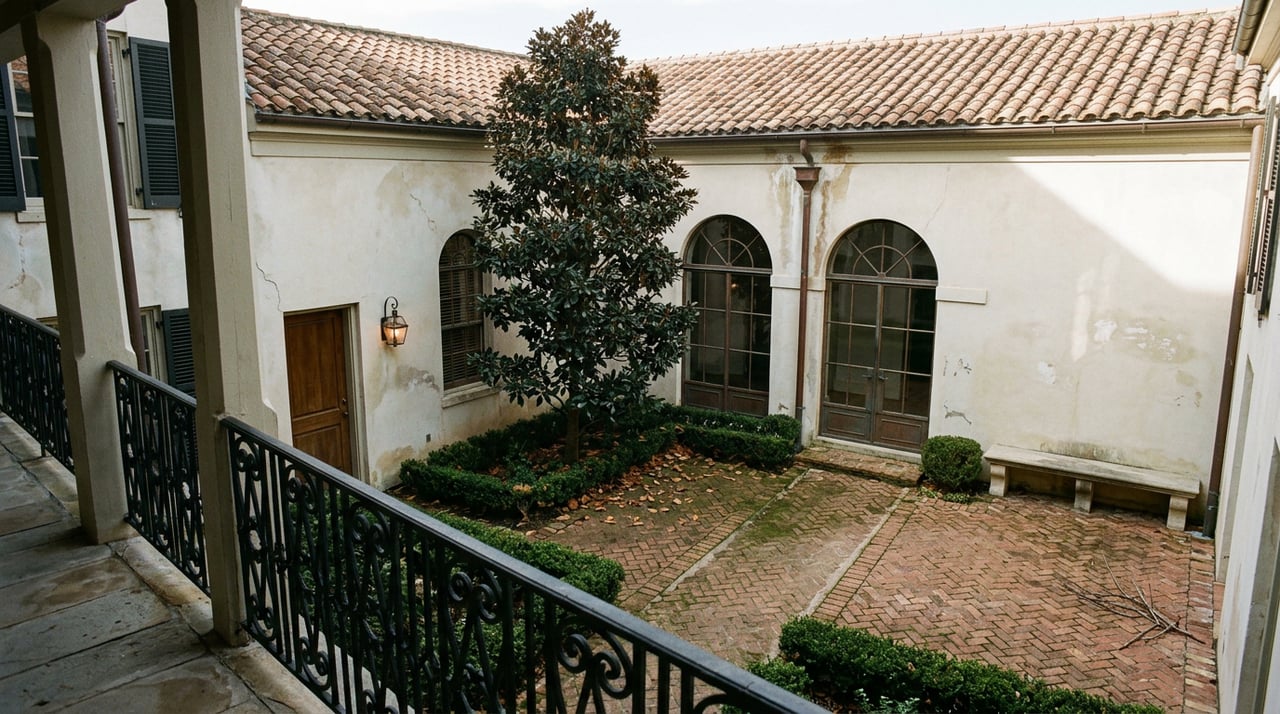
A buyer puts an offer in on a two bedroom unit at Carriage Works, the converted condo and townhome community that sits at the corner of Dauphin Street and Washington Avenue, steps from the Mardi Gras parade route. The price is right. The inspection comes back clean. Then the closing date everyone agreed to in July slides to September, and nobody on the buyer's side can quite explain why.
This is not a story about a difficult building or a slow market. Downtown Mobile condos are, as of August 2026, listed between $315,000 and $339,000, with a median price of $326,000 and an average sale price of $338,312. Those numbers describe a healthy, narrow price band. What they do not explain is why condos in this pocket of the city average 100 days on market before they sell, or why one unit at St. Francis Place, the gated community converted from the former Convent of Mercy, had logged 222 days on the market as of early June 2026 despite sitting in one of downtown's most recognizable buildings. The delay most buyers blame on the market is often sitting somewhere else entirely: in paperwork that has to be requested, produced, and read before a lender will sign off, and in a national underwriting shortcut that disappeared this month.
What "Bare Walls" Actually Decides
Every condo association carries a master insurance policy, and that policy is written one of three ways. A bare walls policy covers the building's frame, roof, and exterior up to the unfinished interior surface of the unit, which means everything from drywall to cabinets is the owner's responsibility. A single entity policy extends to the original finishes the builder installed, but not any upgrades an owner made later. An all-in policy covers nearly everything inside the unit regardless of who installed it.
This distinction is not academic for a downtown Mobile buyer. Carriage Works just completed a full exterior upgrade, including a new roof, a complete repaint, and an upgraded entry gate. That kind of capital work changes what the master policy is insuring and at what replacement cost, which in turn changes what a buyer's personal HO-6 policy needs to fill in. St. Francis Place takes a different approach altogether. Listings for units there describe monthly HOA dues that cover complex security, homeowners insurance, property taxes, garbage, water, and termite coverage, a far broader bundle than a typical bare walls association. A buyer comparing these two buildings on price per square foot alone is comparing two different financial products wearing the same listing format.
The only way to know which structure applies to a specific building, and whether the buyer's own coverage is adequate, is to read the master policy declarations page. Nobody should assume based on the building's age or its curb appeal.
The Document Alabama Calls a Statement of Account
Alabama does not use the word "estoppel" the way Florida or California do. State practice refers to this document as a statement of account, sometimes interchangeably called an estoppel certificate, and it lists the seller's current assessments, any unpaid balances, and pending fees tied to the unit. There is no single mandated format. Associations, or the management companies handling their paperwork, follow common industry practice rather than a uniform state template.
Which state law governs the building matters too. Alabama condominiums formed after January 1, 1991 fall under the Alabama Uniform Condominium Act, and that law requires a resale certificate before closing. If the certificate arrives late, the buyer gets a five day window to void the contract. Buyers purchasing directly from a developer get a separate seven day right to cancel. Condominiums created before 1991 fall under an older statute with different mechanics entirely. Downtown Mobile's building stock includes historic structures converted into condos across several different decades, so this is not a formality to skip. It determines which set of buyer protections actually applies to the unit under contract.
A statement of account ordered the week of closing is not a formality. It is a 10 to 15 business day queue that starts the day someone actually asks for it, not the day the buyer signs the contract.
That queue is the quiet reason condo closings in older, association-governed buildings tend to run longer than single-family sales elsewhere in the city. The document itself is not complicated to produce. The problem is timing. Industry practice across HOA and condo transactions puts production at 10 to 15 business days from a written request, and the single most common way that turns into a blown closing date is ordering it after the appraisal comes back rather than the day the contract is signed.
The Shortcut That Ended This Month
Layered on top of the local paperwork is a national change that took full effect this month. Fannie Mae's Lender Letter LL-2026-03, issued alongside Freddie Mac and the Federal Housing Finance Agency, retooled condo project and master insurance standards for 2026. Some provisions started in March. Updated rules for per-unit deductibles and for when a borrower must carry an individual unit policy apply to loan applications dated on or after July 1. The change that matters most for anyone financing a downtown Mobile condo right now is this: the Limited Review process, the streamlined path that let smaller, lower-risk condo purchases skip a full project review, is retiring for applications dated on or after August 3, 2026.
That date has already passed. Any buyer applying for a conventional loan on a downtown Mobile condo today is going through the full review, regardless of loan size or down payment. That review looks at the building's financials, its insurance program, any pending litigation, and how its master policy deductible is structured. A building with thin reserves, a lapsed master policy, or an insurance gap that once slipped through on a limited review can now get flagged mid-underwriting in a way it would not have six months ago.
None of this is unique to Mobile. It is a national underwriting shift landing on a local market where buildings already vary widely in how they insure themselves and how quickly their management companies respond to document requests. The combination is what stretches a downtown condo closing well past the timeline a single-family buyer down the street would expect.
What This Looks Like If You're Under Contract Downtown
A few habits close the gap between a smooth closing and a stalled one.
Order the statement of account the day the contract is signed, not after the inspection or the appraisal. Ask the association directly whether the master policy is bare walls, single entity, or all-in, and get it in writing rather than relying on a listing description. If the building has done recent capital work, the way Carriage Works just did with its roof and exterior, ask whether that project was funded through reserves or a special assessment, since either answer changes what a buyer is actually walking into. Confirm which state statute governs the building, since the resale certificate protections differ depending on when the condominium regime was created. And build in time on the front end for a lender to complete a full project review rather than assuming the old shortcut still applies.
None of this changes the appeal of living downtown, steps from Dauphin Street's restaurants and the historic squares that make the area what it is. It changes the runway a buyer needs before assuming a closing date is solid.
Frequently Asked Questions
Is a statement of account the same thing as an estoppel certificate in Alabama? Functionally, yes. Alabama practice uses both terms for the same document, a snapshot of what the seller currently owes the association and whether any assessments are pending.
How early should I request the statement of account? The day the contract is executed, not after the appraisal returns. Production commonly takes 10 to 15 business days, and ordering it late is one of the most common causes of a delayed closing in association governed buildings.
Does a recently redone roof mean a building's insurance is fine? Not automatically. A capital project like a new roof changes what the master policy needs to insure and at what value, but it does not confirm the policy was updated to match, or whether the funding source for that project created a special assessment buyers should know about before closing.
Do older, pre-1991 condo conversions follow the same rules as newer buildings? No. Alabama condominiums created before January 1, 1991 fall under a separate, older statute than the Alabama Uniform Condominium Act that governs newer condo regimes, and the resale certificate protections differ between the two.
If you are weighing a condo purchase downtown, or trying to time a sale around this year's tighter lending rules, The Cummings Company can walk through what a specific building's documents actually say before you are under contract, not after. Start Your Home Search.