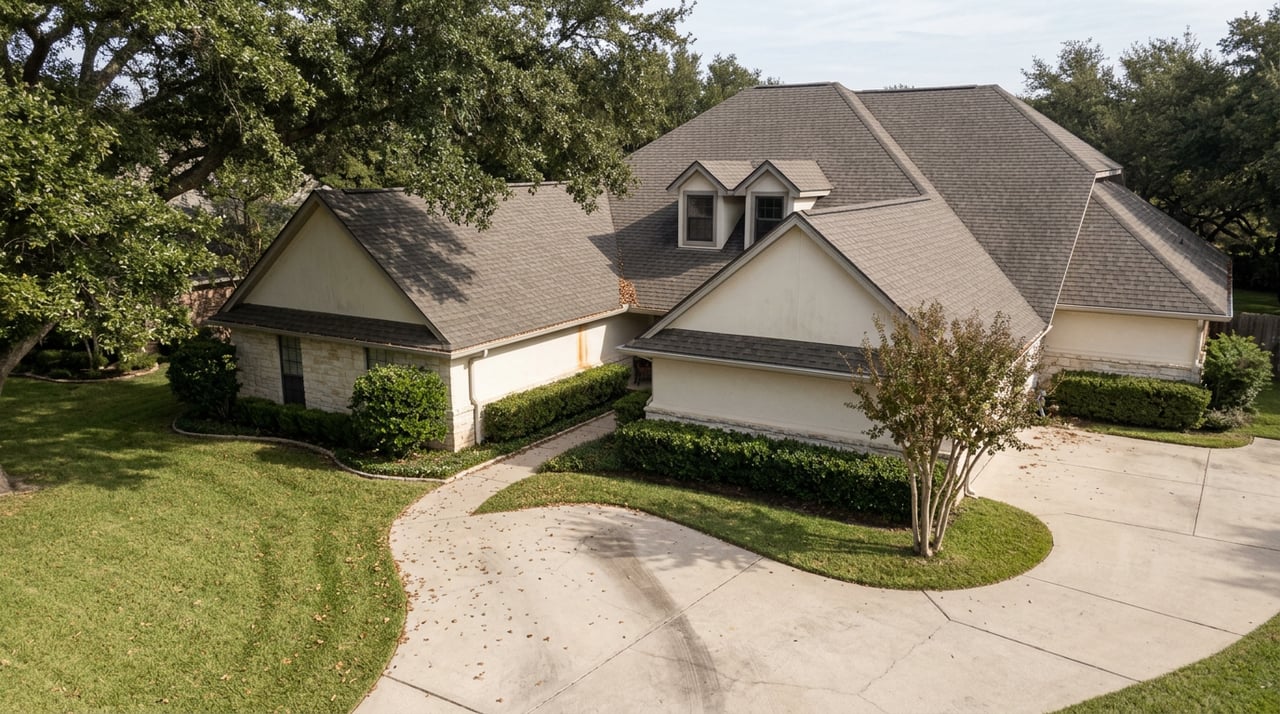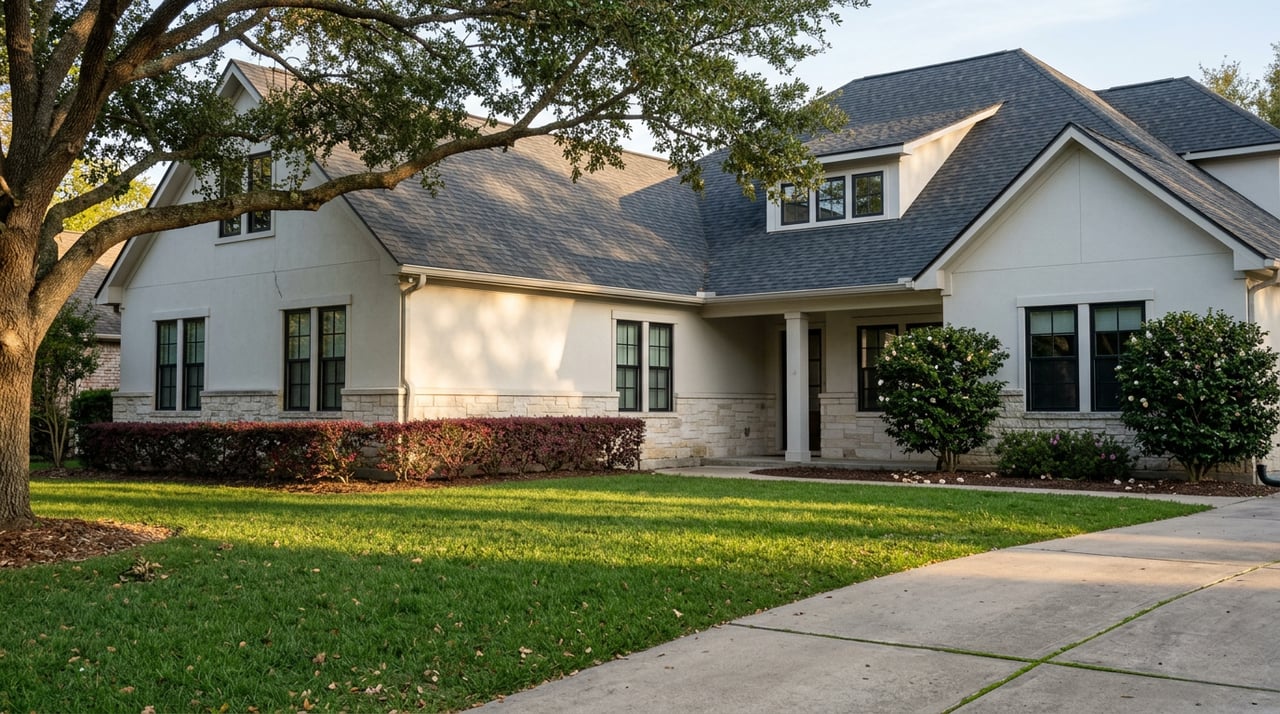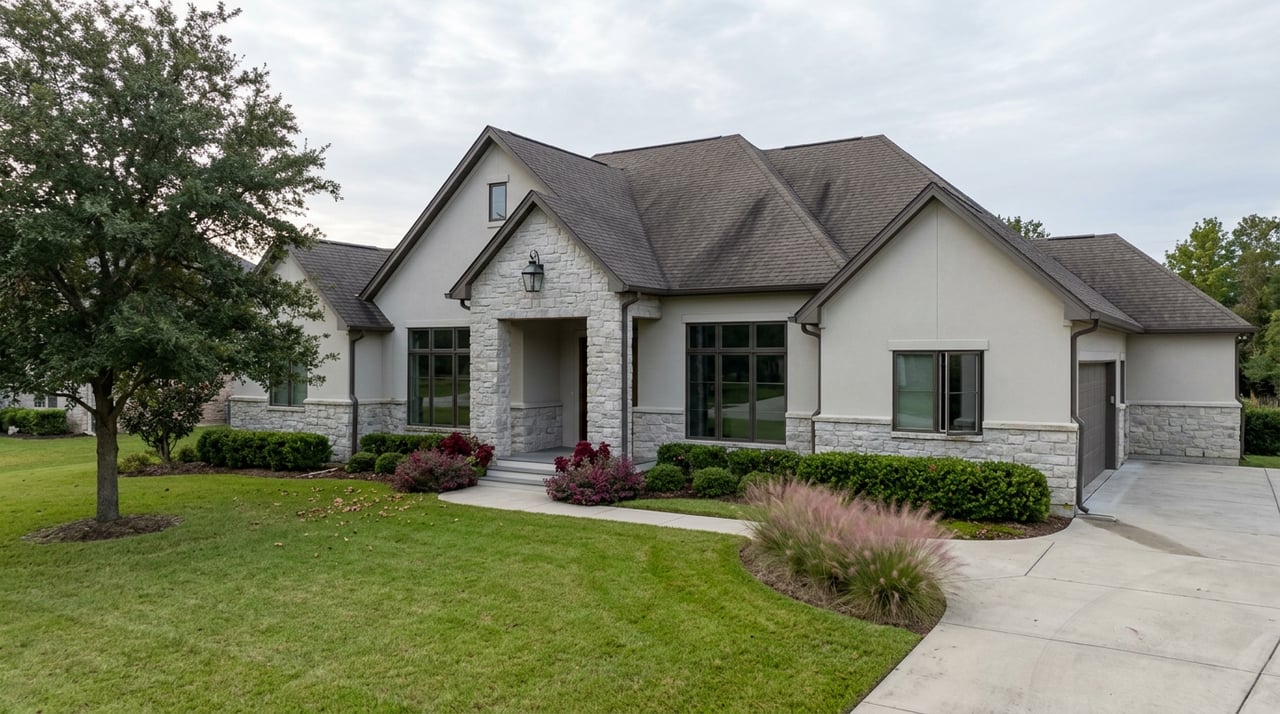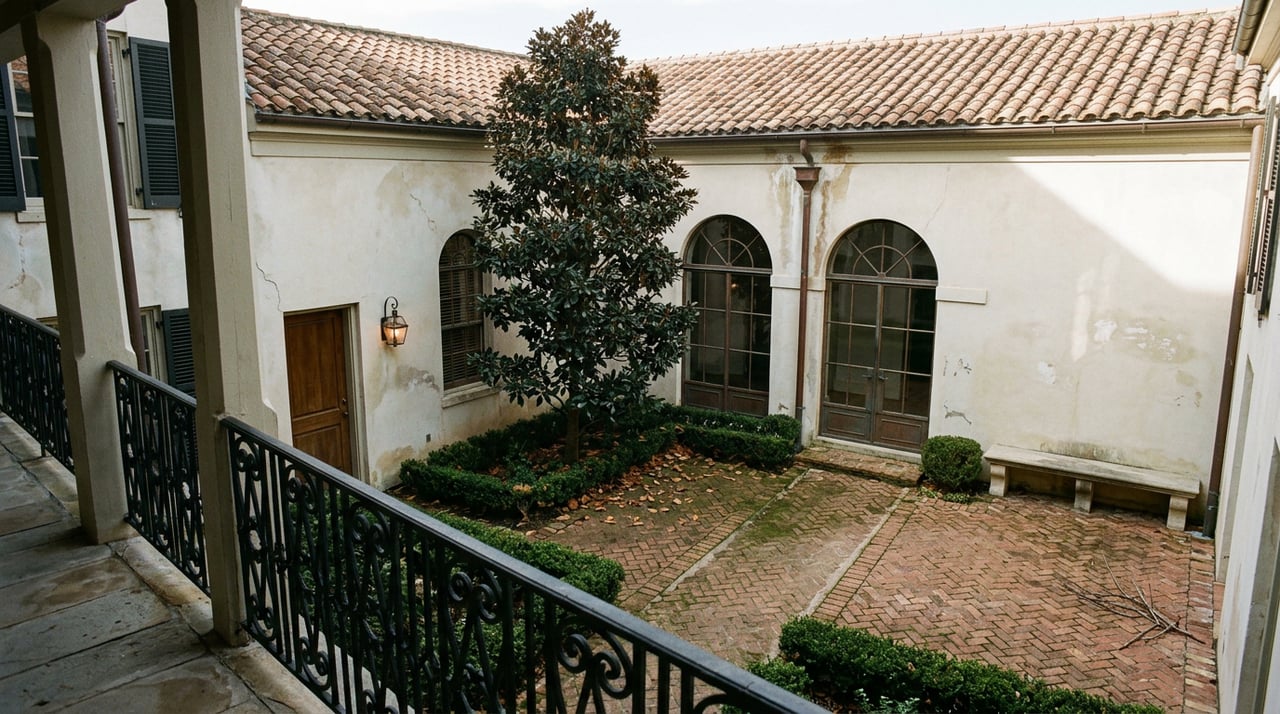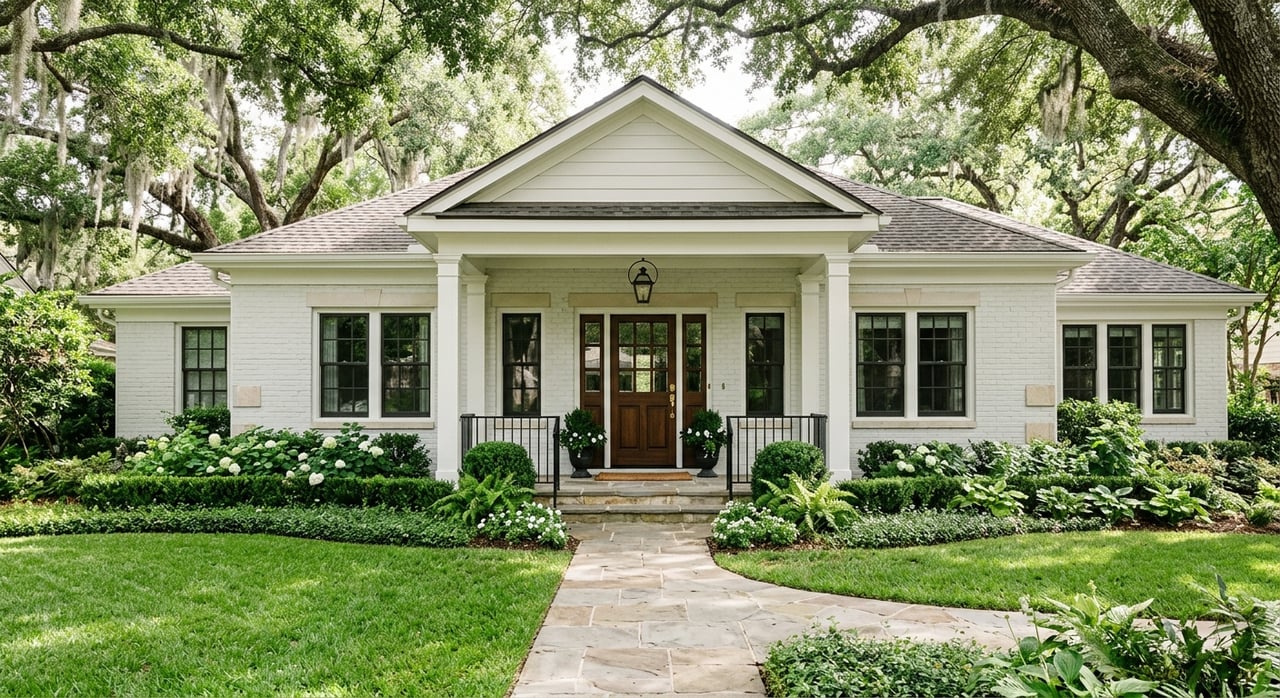
Wondering if Midtown is the right place for your next chapter? If you are moving up from a starter home or simply want more house without giving up a central Mobile location, Midtown deserves a close look. The area offers historic character, relatively accessible pricing, and a location that can make daily routines easier, but it also comes with trade-offs that matter for families. Let’s dive in.
Why Midtown stands out
Midtown in Mobile is known for older homes, established streets, and a central location. According to the Mobile Area Association of Realtors, homes here range from the 1880s to the 1950s, and part of Midtown is recognized by the National Park Service as a historic district.
In ZIP code 36606, Census Reporter shows 18,728 residents across 6.8 square miles. That works out to a density of 2,735 people per square mile, with a median age of 33.3 and a mean commute to work of 22.8 minutes. If you want a neighborhood that feels closer in and more connected to the city grid, those numbers help explain Midtown’s appeal.
What move-up buyers often want
If you are a move-up buyer, you are usually balancing more than square footage. You may want a better layout, more charm, easier access to work and activities, or a home with room to improve over time.
Midtown can fit that goal well if you value character and convenience over brand-new construction. It may be a less natural fit if your top priorities are a very large yard, a newer suburban layout, or a low-maintenance property with fewer renovation questions.
Midtown home prices and market pace
One reason Midtown gets attention from move-up buyers is its price point. As of March 2026, Realtor.com reports 154 active listings in 36606, a median listing price of about $194,200, and a median of 58 days on market.
That puts Midtown in a comparatively accessible range for buyers who want a central Mobile neighborhood with older homes. Census Reporter also lists the median owner-occupied home value in 36606 at $172,100, which helps show why some buyers see Midtown as a practical step up without stretching as far as they might in other areas.
Character homes can be a big plus
For many buyers, Midtown’s biggest draw is personality. Homes built from the 1880s through the 1950s can offer details and layouts that feel very different from newer subdivisions.
That character can also create renovation upside. If you like the idea of updating a home over time, Midtown may give you opportunities to build value while tailoring the property to your needs and style.
Renovation comes with rules
That said, older homes often need a closer look. The City of Mobile says Historic Development staff review Certificates of Appropriateness for exterior work in the city’s locally designated historic districts, and the city advises residents to check an address for historic-district status.
In practical terms, that means exterior changes may not be as simple as they would be in a newer neighborhood. The city also notes that marker program rules and tree-permit requirements can affect changes in historic areas, so you will want to understand those limits before you buy.
Lot size and yard expectations
If outdoor space is high on your list, Midtown requires a realistic mindset. The research does not provide a parcel-by-parcel lot survey, but the City of Mobile notes that older inner-city neighborhoods have historically smaller lots and denser housing patterns.
That matches the numbers in 36606. With 2,735 people per square mile, Midtown is much denser than 36608 at 597 people per square mile and 36695 at 1,155.5, which points to a more compact neighborhood pattern and likely smaller yards on average.
What that means for your family
A smaller yard is not automatically a drawback. Some buyers prefer less exterior upkeep and a more walkable street pattern over maintaining a large lot.
Still, if your ideal move-up home includes a broad backyard, a pool, or extra room to spread out, Midtown may feel tighter than what you would find in other parts of Mobile. This is one of the biggest decision points to weigh honestly.
Daily life in Midtown
For many families, Midtown’s central location is a major advantage. Census Reporter shows a mean commute of 22.8 minutes in 36606, which is shorter than the 29.3-minute mean commute reported for 36695.
The Government Street Collaborative also emphasizes walkable streets, sidewalks, trees, parks, and pedestrian-oriented design in the corridor that supports Midtown and downtown. If you want a neighborhood where getting around can feel a little more connected and less spread out, Midtown may line up well with your routine.
School boundaries are address-specific
If school assignment is part of your move-up decision, it is important to stay precise. Mobile County Public Schools directs families to confirm attendance boundaries by home address, and Murphy High School is located in 36606 on South Carlen Street.
The key takeaway is simple: school fit in Midtown is not one-size-fits-all. Before you make an offer, verify the exact zoning for the specific property you are considering.
Midtown vs. Spring Hill
A lot of Mobile buyers compare Midtown with Spring Hill, and the differences are pretty clear. Midtown is denser and more affordable based on the available data.
Census Reporter shows 36606 at 2,735 people per square mile and a median owner-occupied home value of $172,100. In 36608, density is 597 people per square mile and median owner-occupied home value is $262,200. Realtor.com also reports a median listing price around $194,200 in 36606 versus about $288,950 in 36608.
Who may prefer Spring Hill
If you want a more suburban housing profile and are comfortable paying more for it, Spring Hill may be a better match. Buyers often look there when they want more separation between homes and a less urban feel.
If you care more about central location, historic character, and staying in a lower price band, Midtown may come out ahead. The right answer depends on what you want your next home to do for your everyday life.
Midtown vs. West Mobile
Midtown and West Mobile also appeal to different kinds of move-up buyers. Midtown is more compact and more centrally located, while West Mobile tends to offer a more spread-out, semi-rural feel.
Census Reporter shows 36695 with 1,155.5 people per square mile, a median owner-occupied value of $254,100, and a mean commute of 29.3 minutes. The Mobile Area Association of Realtors describes West Mobile with features like country roads, fields, land, lakes, farm life, and nurseries.
Who may prefer West Mobile
If you want more land, a larger yard, or a less urban setting, West Mobile may suit you better. Buyers who want room to expand outdoors often lean there instead of Midtown.
If you want shorter drives, older homes with character, and a neighborhood that feels closer to the center of Mobile, Midtown may be the better fit. Neither option is better for everyone, but they offer very different lifestyles.
So, is Midtown the right move-up neighborhood?
Midtown tends to be a strong fit if you value character, central access, and renovation potential. It can also make sense if you want to move up without jumping into some of the higher price points seen in Spring Hill or West Mobile.
It is a weaker fit if your top priorities are new construction, a large yard, or a lower-maintenance suburban layout. The historic setting, smaller-lot pattern, and possible review requirements for exterior work are important parts of the decision.
A smart way to decide
Before choosing Midtown, it helps to compare your must-haves against how you actually live day to day. Ask yourself:
- Do you want a central location more than a larger lot?
- Are you open to an older home that may need updates?
- Would historic-district rules affect the changes you want to make?
- Is your preferred school assignment tied to a specific address?
- Are you comparing Midtown against Spring Hill or West Mobile for space, price, and commute?
If your answers lean toward charm, access, and value, Midtown could be a very smart move-up choice. If your answers lean toward space, newer homes, and a more suburban setup, another Mobile area may serve you better.
When you are ready to compare neighborhoods, weigh homes, and get clear on what fits your next season, the local team at eXp The Cummings Company can help you make a confident move.
FAQs
Is Midtown in Mobile, AL affordable for move-up buyers?
- Midtown 36606 has a median listing price of about $194,200 as of March 2026, which makes it a comparatively accessible option for buyers seeking a central Mobile location.
Are Midtown Mobile homes usually newer or older?
- Midtown homes typically range from the 1880s to the 1950s, so buyers should expect older housing stock with historic character.
Do Midtown Mobile homes usually have large yards?
- Midtown’s higher density suggests a more compact neighborhood pattern and likely smaller yards on average than areas like Spring Hill or West Mobile.
Can you renovate a historic home in Midtown Mobile?
- Yes, but some exterior work may require city review if the property is in a locally designated historic district, so you should verify the address and any applicable rules before buying.
How does Midtown Mobile compare with Spring Hill?
- Midtown is generally more urban and lower-priced, while Spring Hill is less dense and tends to have a more suburban housing profile with higher home values and listing prices.
How does Midtown Mobile compare with West Mobile?
- Midtown is more compact and centrally located, while West Mobile tends to offer more space, a more spread-out setting, and longer average commutes.
How do school assignments work in Midtown Mobile?
- School attendance boundaries in Midtown are address-specific, so Mobile County Public Schools recommends confirming zoning by the exact home address.