If you are thinking about buying a condo in Downtown Mobile, you are probably weighing convenience against complexity. A downtown condo can give you walkable access, lower exterior maintenance, and a different lifestyle than a detached home, but it also comes with building rules, shared expenses, and parking questions that deserve a close look. The good news is that when you know what to review before you write an offer, you can buy with a lot more confidence. Let’s dive in.
Downtown Mobile condo demand
Downtown Mobile has a real market for for-sale urban housing, but condos are still a more specific product type than many buyers expect. In the Downtown Mobile 2024 study update, annual demand was estimated at 324 condominium purchasers, 403 rowhouse or townhouse purchasers, and 213 urban detached-house purchasers among households earning above $50,000.
That matters because condo value downtown often comes down to practical details more than broad marketing language. Price point, parking setup, building condition, and monthly ownership costs can have a big impact on how a unit feels day to day and how it may perform at resale.
The same study modeled new for-sale lofts at about $175,000 to $230,000 and mansion condos at about $215,000 to $330,000. That does not set the price of every resale unit, but it does help show that downtown condos can cover more than one price segment.
HOA fees mean more than one number
One of the biggest condo-buying mistakes is focusing only on the monthly HOA fee. In Alabama, condo owners own their individual unit plus an undivided interest in the common elements, and the association handles common expenses through an adopted budget.
Those common expenses can include maintenance, repair, replacement, insurance, utilities, fees, and other charges that remain the personal obligation of the unit owner. So when you compare two downtown condos, a lower monthly fee is not always the better value if the building is underfunded or likely to need added owner contributions later.
A stronger review starts with a few simple questions:
- What does the monthly HOA fee cover?
- How much money is being set aside for reserves?
- Has the association discussed or approved any special assessments?
- Are there unpaid assessments tied to the unit?
- What insurance coverage does the association carry?
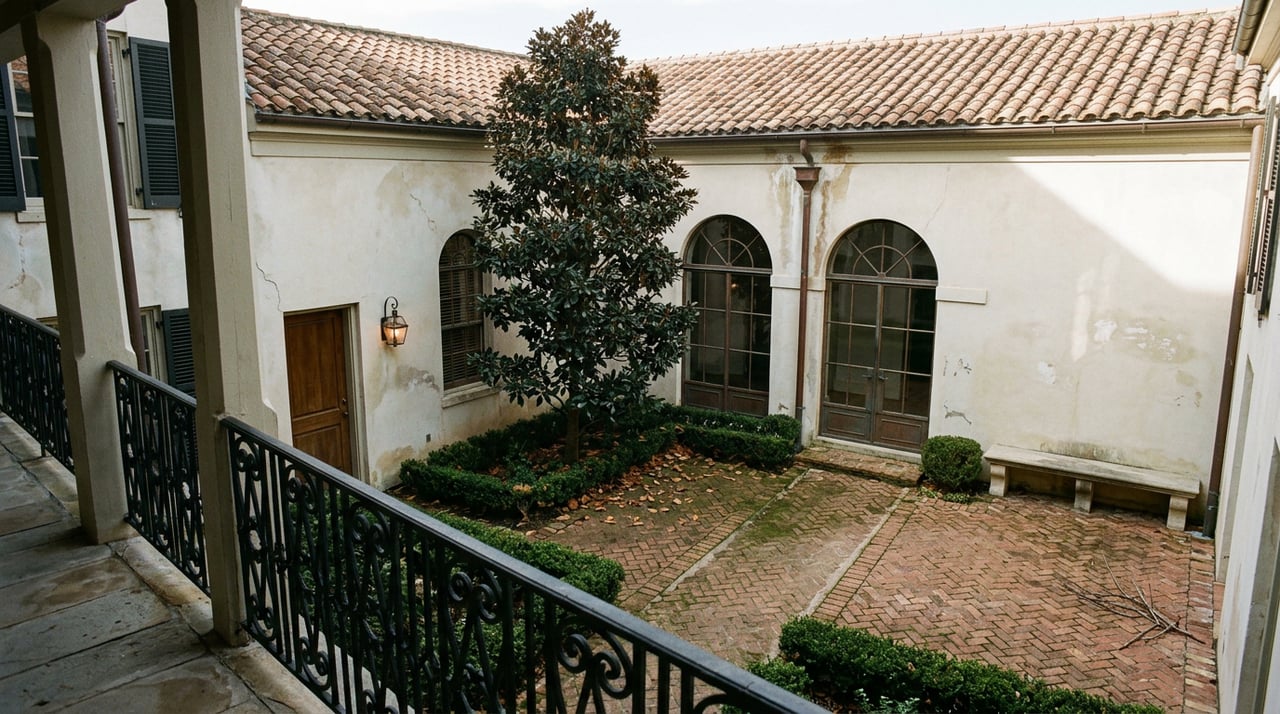
In older downtown buildings, this review becomes even more important. Historic character can be a real draw, but deferred maintenance can be expensive if major systems need work.
Review reserves and special assessments
Reserve strength is one of the clearest signs of a building’s financial health. If reserves are too thin, owners may face special assessments when major repairs or replacements come up.
That can include roof work, elevator updates, exterior repairs, system replacements, or other common-element projects. A condo that looks affordable at first glance can feel very different if a major assessment is around the corner.
Under Alabama law, association financial records must be reasonably available for review in the county where the condominium is located. For you as a buyer, that makes document review more than a formality. It is a key part of understanding the real monthly and long-term cost of ownership.
Alabama resale documents to request
For a resale condo purchase, Alabama law requires the seller or unit owner to provide important governing and financial documents. These include the declaration, bylaws, rules, and a certificate with details that can directly affect your decision.
That certificate is required to show:
- The monthly common expense assessment
- Any unpaid assessments and fees
- The current budget
- Recent financial statements
- Unsatisfied judgments or pending suits
- Insurance coverage
- Leasehold term, if applicable
- Declaration restrictions that affect sale or casualty proceeds
The association must furnish that certificate within 10 days of request. Alabama law also provides timing protections for a buyer when the certificate is requested on time and not yet delivered.
In plain terms, these documents help you understand whether the building is being managed in a stable, transparent way. They also help you spot issues that may affect financing, future costs, or your comfort level with the purchase.
Older buildings need extra scrutiny
Downtown Mobile has older buildings that can offer a lot of charm, but age always calls for more careful review. If a condo building is a conversion, Alabama law requires the offering statement to disclose the approximate age of structural, mechanical, and electrical systems, along with any uncured building-code or municipal violations.
That is useful because older systems can change your maintenance outlook quickly. A beautiful unit inside the building may still come with broader building-level questions about elevators, wiring, plumbing, roofing, or shared mechanical systems.
When you tour a condo in an older downtown property, try to think beyond finishes and staging. Ask how old key building systems are and whether recent major repairs have already been completed or are still being discussed.
Parking can shape daily life
Parking is one of the most practical condo-buying questions in Downtown Mobile. The City of Mobile says downtown parking is generally affordable, with some free on-street parking for up to two hours, metered spaces at $1.00 per hour, plus public parking decks and private surface lots.
That said, public parking nearby is not the same thing as private parking tied to your unit. Before you buy, confirm whether the condo comes with deeded parking, assigned parking, guest parking, and any rules for overnight parking or a second vehicle.
This matters even more because downtown traffic flow and parking patterns are not completely static. The city’s Downtown Street Optimization project is adding 205 marked parking spaces and 34 ADA spaces while converting several streets to two-way traffic.
Those changes may improve circulation in some areas, but they also mean you should verify current conditions rather than assume a listing description tells the full story. If parking is a top priority for your lifestyle, it should be one of the first things you confirm.
Rental flexibility is not automatic
Some buyers want the option to rent out a downtown condo later. If that is part of your plan, you need to review both the building’s rules and the City of Mobile’s short-term rental requirements.
Mobile treats short-term rentals as a licensed business. The city defines a short-term rental as a dwelling rented for less than 180 consecutive days per rental period, and it requires a business license for each separate short-term rental location.
The city’s procedures also include operating requirements like:
- A local responsible party available 24/7
- Building and fire code compliance
- Smoke and carbon-monoxide detectors
- A fire extinguisher on each floor
- A visible 9-1-1 address
- Minimum parking
- Occupancy by only one group or person at a time
Just as important, the building’s governing documents may limit or prohibit short-term rentals even if city licensing rules exist. So if rental flexibility matters to you, do not assume it will be allowed. Confirm it in writing during your document review period.
Condo vs townhouse downtown
If you are open to more than one property type, it may help to compare condos with rowhouses or townhouses. Downtown Mobile’s 2024 study update estimated more annual buyer demand for rowhouse or townhouse products than for condos.
That does not mean a condo is the wrong choice. It simply suggests that townhouses may appeal to a broader group of buyers in some cases, while condo resale can depend more heavily on dues, parking, finishes, and overall building condition.
Ownership structure is also different. Under Alabama condo law, condo ownership includes your unit plus shared ownership in common elements, and exterior changes or changes to common elements are limited without permission. In practical terms, that usually means more association control and more shared-cost variables than you would have with a detached home, and often more than with some townhouse setups as well.
A smart downtown condo checklist
Before you move forward on a condo in Downtown Mobile, keep your review focused on the issues that most often affect cost, convenience, and resale.
Use this checklist as a starting point:
- Compare the monthly HOA fee with what it actually covers
- Review the association budget and recent financial statements
- Ask about reserve funding and any planned special assessments
- Check for unpaid dues, pending lawsuits, or unsatisfied judgments
- Confirm insurance coverage carried by the association
- Verify deeded or assigned parking and guest parking rules
- Review rental restrictions and short-term rental rules
- Ask about the age and condition of major building systems
- Understand any rules affecting exterior changes or common elements
A condo purchase is rarely just about the unit itself. You are also buying into the building, the association, and the day-to-day systems that support the property.
If you want help comparing downtown condo options, reviewing condo red flags, or understanding how one building stacks up against another, eXp The Cummings Company can guide you through the search, negotiation, financing, inspections, appraisal, and closing process with practical local insight.
FAQs
What should you review before buying a condo in Downtown Mobile?
- You should review the HOA fee, what it covers, reserve funding, special assessments, resale documents, insurance coverage, parking setup, rental rules, and the condition of major building systems.
How do HOA fees work for Downtown Mobile condos?
- In Alabama condos, the association adopts a budget and assesses common expenses at least annually, which can include maintenance, repairs, replacement, insurance, utilities, fees, and other charges tied to the property.
What resale documents are required for an Alabama condo purchase?
- For a resale purchase, the seller or unit owner must provide the declaration, bylaws, rules, and a certificate covering assessments, unpaid fees, budget details, financial statements, insurance, legal issues, leasehold term if applicable, and certain declaration restrictions.
Can you use a Downtown Mobile condo as a short-term rental?
- Maybe, but you need to confirm both the building’s governing documents and the City of Mobile’s short-term rental licensing and operating requirements before you rely on that plan.
Why is parking so important when buying a condo in Downtown Mobile?
- Parking affects daily convenience, guest access, and long-term usability, so you should confirm whether a unit has deeded or assigned parking, guest parking, and any rules for overnight or second-vehicle parking.
Are older Downtown Mobile condo buildings riskier to buy?
- Older buildings are not automatically riskier, but they do call for closer review of structural, mechanical, and electrical system age, along with any known building-code or municipal violations in conversion projects.