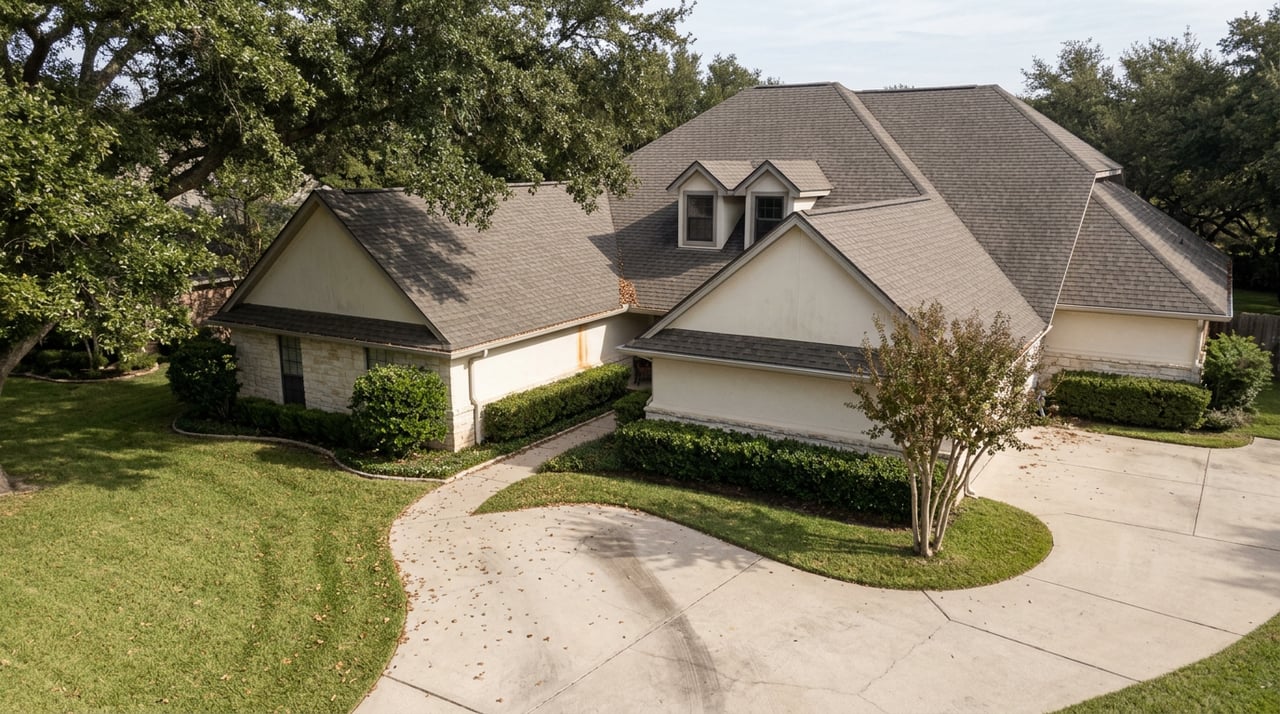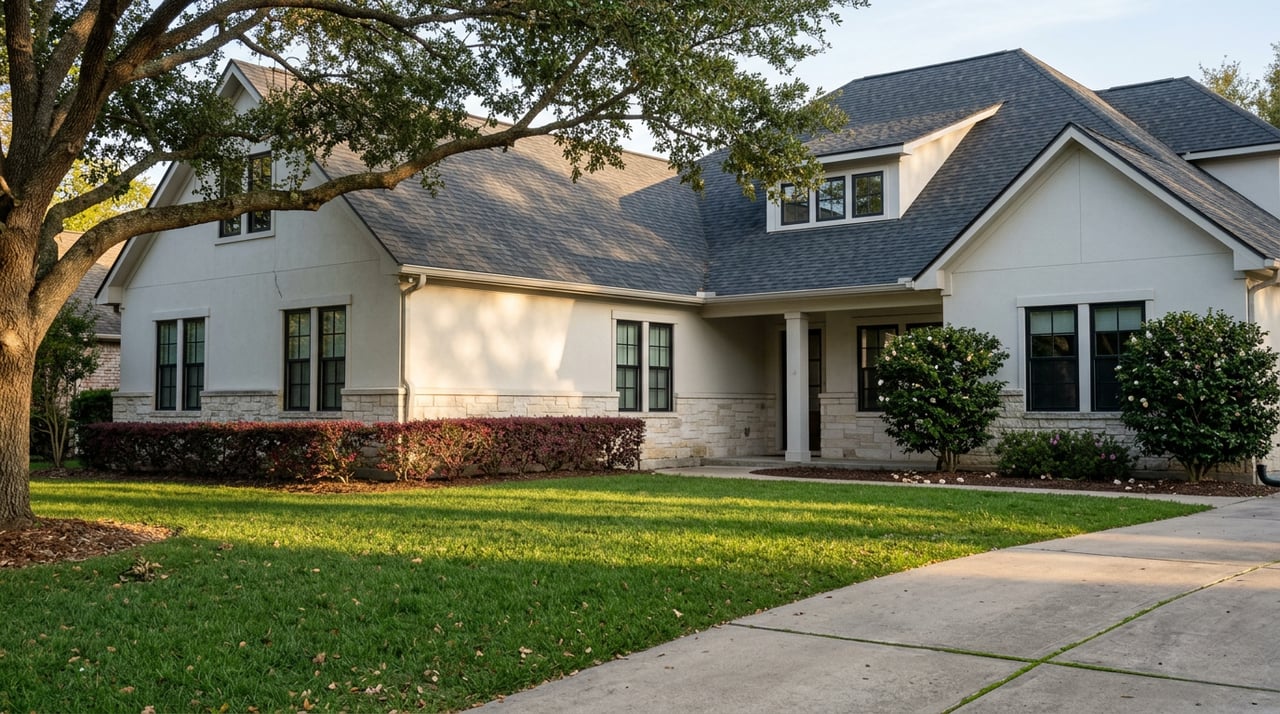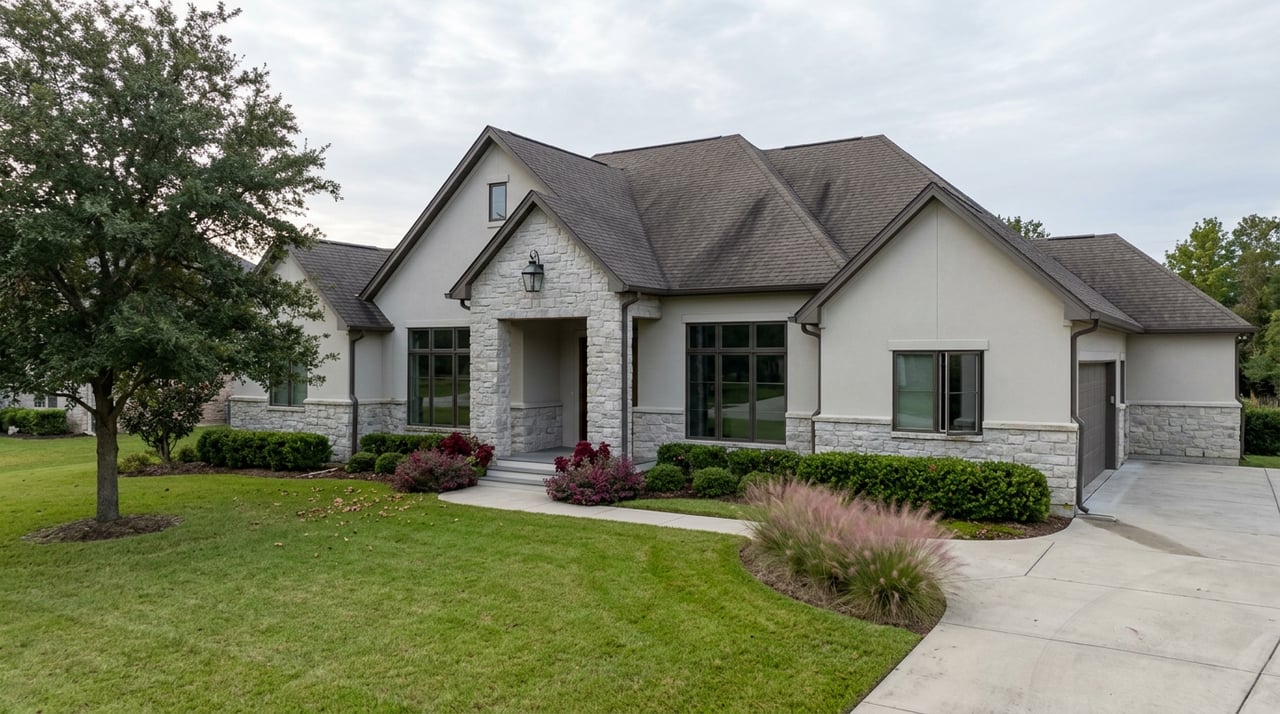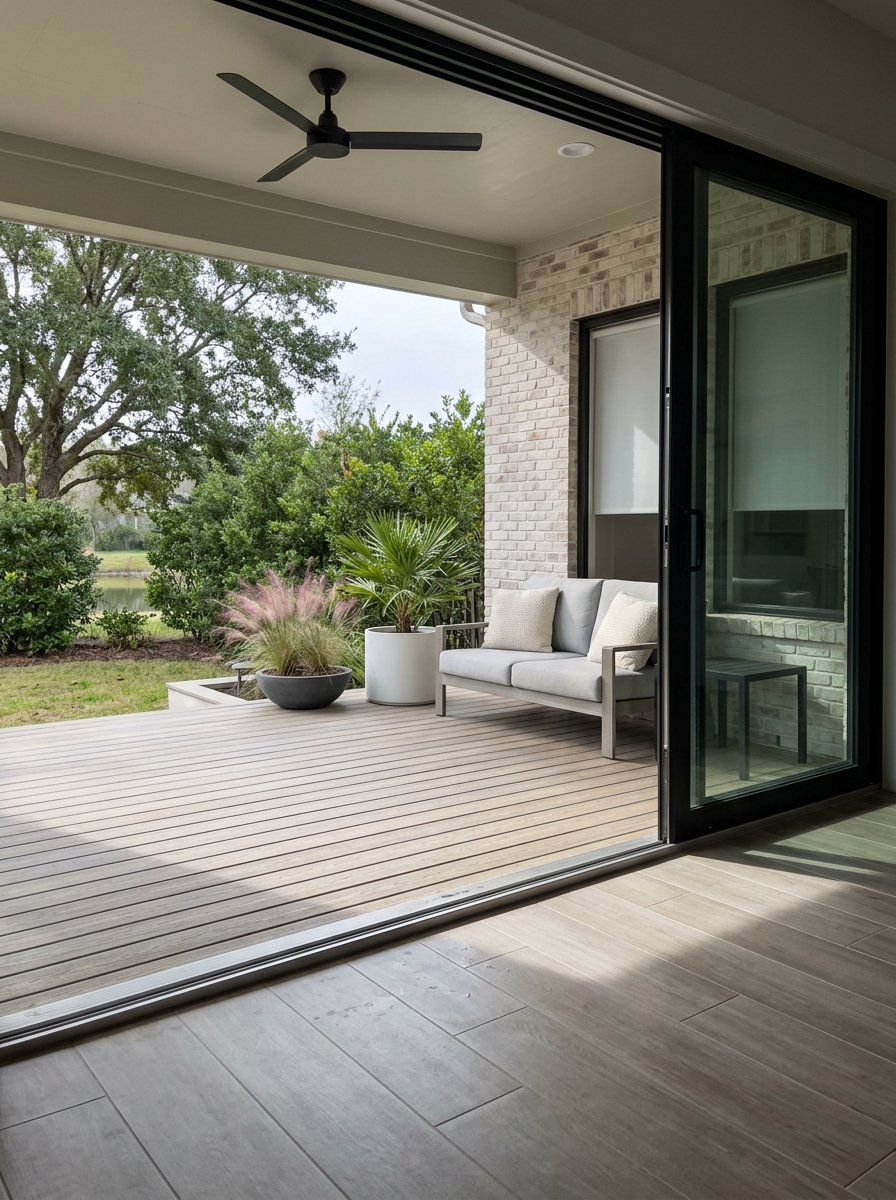
Trying to decide between a waterfront home and an inland home on Dauphin Island Parkway? That choice can shape your budget, your maintenance routine, and how you enjoy day-to-day life in this part of Mobile. If you are weighing views and water access against simpler upkeep and fewer moving parts, this guide will help you compare both options with more confidence. Let’s dive in.
Why Dauphin Island Parkway Feels Different
Dauphin Island Parkway is not a one-note corridor. It stretches through a coastal part of Mobile County, and conditions can change quite a bit as you move farther south toward Coden and the Dauphin Island Bridge. That matters because the experience of owning a home here is often very parcel-specific.
Mobile County’s public amenities show just how connected this area is to the water. Bayfront Park on Dauphin Island Parkway includes a protected beach, kayak and canoe launch, fishing, crabbing, walking paths, birding, and a new 900-foot boardwalk completed in 2026. Cedar Point Pier has long been a local fishing destination, and Mobile County awarded a contract in May 2026 for the nearby Cedar Point Boat Launch with a two-lane ramp and trailer parking.
For you as a buyer, that means the waterfront appeal is real, but so is the need to look closely at each address. Mobile County publishes separate south county flood-zone and storm-surge maps, and those maps specifically identify Dauphin Island Parkway and Mobile Bay. In other words, one stretch of the road may feel very different from the next.
Waterfront Homes on DIP
What waterfront living can offer
If your goal is daily access to the water, a waterfront home on DIP may be the stronger fit. You may be closer to boating, fishing, kayaking, birding, and wide-open water views that make coastal living feel special. Public access points like Bayfront Park and Cedar Point Pier reinforce that water-oriented lifestyle.
For some buyers, that access is not just a nice bonus. It is the reason to buy here in the first place. If you picture early mornings on the water or evenings near the bay, waterfront property can better match that vision.
What waterfront homes may involve
Waterfront or near-water parcels are more likely to come with elevated construction and water-oriented improvements. Depending on the property, that can include docks, piers, lifts, bulkheads, or other shoreline structures. Those features can add value to your lifestyle, but they can also add inspection and maintenance items.
FEMA notes that coastal high-hazard areas such as Zone V or VE require open foundations like piles or columns. That does not mean every waterfront home on DIP is the same, but it does show why construction style can be very different near the shoreline. You will want to understand how the home was built and what that means for future repairs or updates.
Waterfront upkeep and exposure
Coastal ownership often means more hands-on upkeep. FEMA says coastal construction must account for stronger winds, corrosive conditions, and flood and scour forces. In practical terms, salt spray and onshore winds can speed up corrosion on exposed metal parts and other vulnerable components.
That is why waterfront buyers should pay close attention to roof fasteners, flashing, exterior hardware, HVAC pads, decks, docks, bulkheads, and visible structural connectors. Even if a home looks great on the surface, the ongoing maintenance picture may be different from a more inland property. A waterfront home can be rewarding, but it usually asks more from you over time.
Inland Homes on DIP
Why inland homes appeal to many buyers
If you want a more conventional ownership experience, an inland home may be the better match. Farther from the shoreline, the housing stock is more likely to feel like standard single-family living with typical yards and driveways. That can make the day-to-day ownership experience feel more familiar and predictable.
Many buyers like inland homes because they often come with fewer shoreline-specific features to inspect and maintain. You may also have less direct salt exposure, which can reduce some of the wear that coastal properties face. That relative simplicity is one of the biggest reasons buyers choose inland over waterfront.
Inland does not mean no risk
It is important not to assume that inland automatically means outside flood risk. FEMA defines the Special Flood Hazard Area as the mapped area that would be flooded by the base flood, and flood zones can be revised when new information becomes available. The only safe approach is to verify the exact property address using current map resources.
Mobile County also notes that stormwater runoff moves into creeks, rivers, bays, and the Gulf, and the county has documented water-over-road closures in southern Mobile County after heavy rain. So even if you choose inland, drainage and access still deserve close attention. Simpler does not mean risk-free.
What to check on inland parcels
When you tour inland homes on DIP, focus on how the site handles water. Look at grading, gutters, swales, driveway slope, and how the road or access point may perform during storms. These details can affect convenience, maintenance, and peace of mind.
You should also think about renovation plans early. Mobile County Inspection Services handles plan review, permitting, and inspections for work subject to building codes and the Flood Damage Prevention Ordinance. If you expect to add structures or make major exterior changes, it helps to understand the rules upfront.
Flood Maps and Insurance Matter for Both
Why parcel-level research is essential
One of the biggest mistakes buyers can make on Dauphin Island Parkway is judging a property by the general area instead of the exact parcel. Mobile County’s south flood and storm-surge maps show why. Conditions can shift from one location to the next, even along the same corridor.
FEMA also notes that flood zones can change when new or more accurate information becomes available. That is why map checks should be part of your process every time, even if the home feels safely inland or obviously elevated. The details matter.
Flood insurance is separate
Flood coverage is separate from standard homeowners insurance. FloodSmart states that building coverage and contents coverage are typically purchased separately and have separate deductibles. That can have a real effect on your monthly and annual housing costs.
Before you make an offer, ask whether the lender will require flood insurance for that specific parcel. Then get quotes early so you can compare the true ownership cost of one property against another. This step is especially important when you are comparing waterfront and inland homes side by side.
Lifestyle vs Maintenance Trade-Off
Choose waterfront if access comes first
A waterfront home is usually the better fit if water access is your top priority and you are comfortable with more upkeep. You may get easier access to fishing, kayaking, boating, crabbing, birding, and water views that define this part of south Mobile County. For the right buyer, those benefits outweigh the extra work.
You should also be ready for more storm preparation and post-storm inspection. NOAA says Atlantic hurricane season runs from June 1 through November 30, and FEMA defines coastal flooding as inundation caused by high or rising tides or storm surge. Coastal ownership often means a more active risk-management mindset.
Choose inland if simplicity matters more
An inland home is often the better fit if you value predictability, easier maintenance, and fewer shoreline-specific concerns. You may still enjoy the broader DIP location and access to nearby coastal amenities without taking on the same level of exposure. For many buyers, that balance feels more practical.
This can be especially appealing if you want a home that feels more straightforward to maintain over time. You still need to review maps, drainage, insurance, and road access, but the overall ownership profile may feel simpler. That can make budgeting and long-term planning easier.
A Smart Buyer Checklist for DIP Homes
Whether you lean waterfront or inland, due diligence should drive your decision. Here are some practical steps to take before you commit:
- Verify the exact address using current flood-zone and storm-surge mapping for south Mobile County.
- Ask whether the parcel is in a Special Flood Hazard Area or coastal high-hazard area.
- Confirm whether the lender will require flood insurance.
- Request an elevation certificate if available.
- Ask for prior flood-claim history.
- Review permit records for additions, repairs, docks, or other improvements.
- Get separate homeowners and flood insurance quotes before making an offer.
- For waterfront parcels, inspect docks, lifts, bulkheads, decks, and visible structural connectors.
- For inland parcels, inspect grading, drainage paths, driveway conditions, and access roads during heavy rain concerns.
- If you plan to renovate, check early with Mobile County Inspection Services about permitting and code requirements.
How to Make the Right Choice
The simplest way to frame this decision is to ask what matters most in your daily life and your monthly budget. Waterfront homes on Dauphin Island Parkway trade direct water access for more recurring maintenance, more exposure, and more flood-related due diligence. Inland homes trade that direct access for a more conventional ownership profile, though they still require careful map and drainage review.
Neither option is automatically better. The right choice depends on whether you want the lifestyle benefits of living close to the water or the easier routine that often comes with an inland property. When you compare homes parcel by parcel and price in insurance, maintenance, and site conditions early, you can make a much more confident decision.
If you are weighing waterfront and inland homes on Dauphin Island Parkway, a local team can help you sort through the details that do not always show up in listing photos. Connect with eXp The Cummings Company for practical guidance as you search, compare, and move toward the right fit.
FAQs
What is the main difference between waterfront and inland homes on Dauphin Island Parkway?
- Waterfront homes usually offer better direct access to boating, fishing, kayaking, and water views, while inland homes often come with a more conventional ownership profile and fewer shoreline-specific maintenance items.
Do inland homes on Dauphin Island Parkway still need flood-zone research?
- Yes. Inland does not automatically mean outside flood risk, so you should verify the exact property address using current flood-zone and storm-surge maps.
What maintenance issues matter most for waterfront homes on DIP?
- Waterfront buyers should pay close attention to salt exposure, wind-related wear, roof fasteners, flashing, exterior hardware, HVAC pads, decks, docks, bulkheads, and other visible structural components.
Is flood insurance separate from homeowners insurance for Dauphin Island Parkway homes?
- Yes. Flood coverage is separate from standard homeowners insurance, and building and contents coverage are typically purchased separately with separate deductibles.
What public water access is near Dauphin Island Parkway in Mobile County?
- Bayfront Park offers a protected beach, paddling access, fishing, crabbing, walking paths, birding, and a boardwalk, while Cedar Point Pier is a long-standing fishing spot and the county has moved forward with a nearby Cedar Point Boat Launch.
What should buyers inspect on inland homes along Dauphin Island Parkway?
- Buyers should look closely at grading, gutters, swales, driveway conditions, and road access during heavy rain, since stormwater and water-over-road issues can still affect inland properties.