Hurricane Preparedness on the Alabama Gulf Coast: What Every Homeowner and Buyer Should Know
Published by Your Local Real Estate Experts | Gulf Coast Alabama
Living on the Alabama Gulf Coast means enjoying some of the most breathtaking waterfront views, vibrant communities, and coastal culture in the country. From the white sand beaches of Gulf Shores and Orange Beach to the charming neighborhoods of Fairhope and Daphne, this region is a remarkable place to call home. But with that beauty comes a responsibility that every homeowner, investor, and prospective buyer must take seriously: hurricane preparedness.
As the real estate professionals who know this coast best, we believe that being a prepared homeowner is just as important as being a smart homebuyer. Here is what you need to know before, during, and after a storm.
Know Your Zone: Understanding Alabama's Hurricane Evacuation Areas
Baldwin and Mobile counties use a lettered evacuation zone system — Zone A through Zone E — based on storm surge vulnerability. Zone A areas, which include many beachfront and bayfront properties, are typically ordered to evacuate first and face the greatest risk of dangerous surge flooding.
Before a storm threatens, know which zone your property falls in. You can find your zone through the Baldwin County Emergency Management Agency (EMA) or Mobile County EMA websites. This information is also something we factor into every real estate conversation we have with buyers — knowing your zone isn't just a safety matter, it affects insurance, financing, and long-term property value.
Build Your Hurricane Kit — Before the Season Starts
Hurricane season runs from June 1 through November 30, with peak activity from mid-August through mid-October. The time to prepare is not when a named storm appears in the Gulf.
Every Gulf Coast household should have a hurricane supply kit that includes:
- Water — at least one gallon per person per day for a minimum of seven days
- Non-perishable food — a week's supply for your entire household, including pets
- Medications — a full supply of any prescription medications, stored in a waterproof container
- Important documents — copies of your insurance policies, deed, driver's license, passports, and financial records, stored in a waterproof bag or cloud-based backup
- Flashlights, batteries, and a battery-powered or hand-crank radio
- First aid kit and a manual can opener
- Cash — ATMs and card readers often go offline after a storm
- Fuel — keep your vehicle's tank at least half full from June through November
Protect Your Property: Storm-Proofing Steps That Matter
One of the most valuable things you can do as a Gulf Coast homeowner is invest in proactive storm protection. Some of these measures also positively impact your insurance premiums and your home's resale value.
Hurricane shutters or impact-resistant windows are among the most effective protections against wind-driven debris and pressure changes that can cause catastrophic structural failure. If your home doesn't have them, this is a worthwhile investment to discuss with a licensed contractor.
Garage doors are frequently the first point of failure in a hurricane. Ensure yours is rated for high-wind conditions, or install a bracing kit. An unreinforced garage door can collapse under wind pressure, allowing the storm to pressurize and potentially lift the roof.
Roof inspections should be part of your annual routine. Verify that your roof decking is properly fastened and that flashing and sealants are in good condition. Many insurers require a wind mitigation inspection — this report can also qualify you for premium discounts.
Clear your yard of any items that could become projectiles: patio furniture, potted plants, decorative stones, grills, and toys should all be brought inside or secured when a storm threatens.
Trim trees and large shrubs around your home each spring to reduce the risk of falling limbs damaging your roof or siding.
Flood Insurance: Don't Assume Your Policy Covers Everything
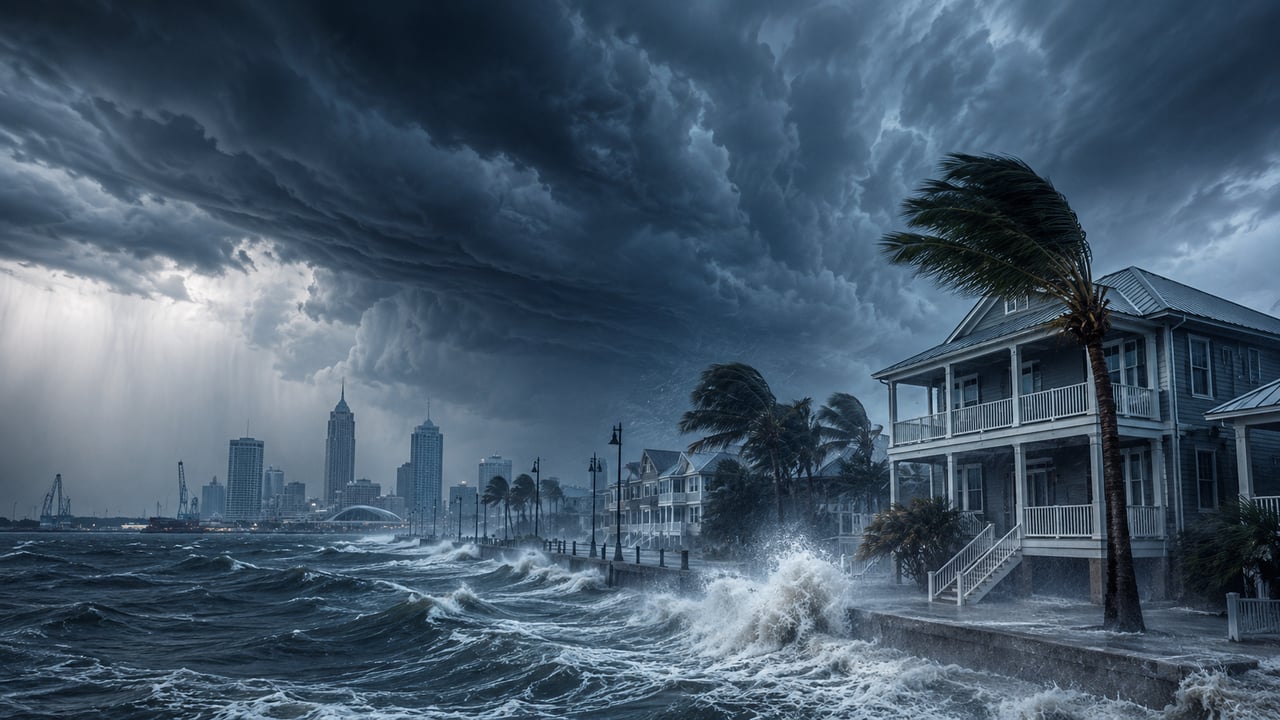
This is one of the most critical points we communicate to every buyer on the Alabama Gulf Coast: standard homeowners insurance does not cover flood damage. Flooding from storm surge — the wall of seawater pushed ashore by a hurricane — is the leading cause of hurricane-related fatalities and property destruction, and it requires a separate flood insurance policy.
Flood insurance is available through the National Flood Insurance Program (NFIP) and, increasingly, through private insurers. Premiums vary based on your property's elevation, construction type, and flood zone designation as mapped by FEMA.
If you are purchasing a home in a Special Flood Hazard Area (SFHA), your lender will require flood insurance. But even properties outside mapped high-risk zones sustain flood damage — roughly 25 percent of all flood insurance claims come from lower-risk areas.
We strongly encourage all of our clients to review their coverage annually with a licensed insurance professional and to understand their policy's deductibles and exclusions before a storm is ever named.
Have a Plan — and Practice It
A written family emergency plan removes confusion when time is critical. Your plan should include:
- An agreed-upon evacuation route — identify two routes out of your area in case one becomes impassable
- A designated meeting point outside your neighborhood in case family members are separated
- An out-of-state contact who can serve as a central point of communication
- Pet accommodations — confirm in advance which shelters or hotels along your evacuation route accept pets
- A plan for family members with special needs — register with your county's Special Needs Shelter program if applicable
Practice your evacuation plan at the beginning of each hurricane season. When mandatory evacuation orders are issued, leave early. Traffic on I-10, Highway 59, and other coastal evacuation corridors can quickly become gridlocked. Leaving ahead of the rush can save hours — and potentially your life.
After the Storm: Re-Entry and Recovery
Returning to your home too soon is dangerous. Downed power lines, contaminated floodwater, compromised structures, and debris-covered roads are serious hazards in the hours and days after a storm passes.
Follow official re-entry guidance from Baldwin County or Mobile County Emergency Management. Do not return until authorities have lifted the evacuation order and declared roads safe.
When you do return:
- Document all damage with photographs and video before beginning any cleanup. This documentation is essential for your insurance claim.
- Contact your insurance agent promptly to begin the claims process.
- Be cautious of contractor fraud — unfortunately, unlicensed contractors often flood storm-affected areas following a hurricane. Always verify licensing through the Alabama Licensing Board for General Contractors before signing any agreement.
- Check in with neighbors, particularly elderly residents who may need assistance.
Why This Matters to Us as Your Real Estate Advisors
Our job doesn't end at closing. We are committed to being a long-term resource for every client who chooses to live, invest, or plant roots on the Alabama Gulf Coast. That means providing honest guidance about the realities of coastal ownership — including the responsibilities and risks that come with it.
When you work with our team, you gain access to:
- Guidance on flood zone designations, elevation certificates, and their impact on insurance
- Connections to trusted local contractors, inspectors, and insurance professionals
- Insight into construction standards, wind mitigation features, and what to look for in storm-resilient homes
- Ongoing market knowledge in Gulf Shores, Orange Beach, Foley, Fairhope, Daphne, and throughout Baldwin and Mobile counties
The Alabama Gulf Coast is one of the most desirable places to live in the Southeast — and with the right preparation, it can be a safe, resilient, and rewarding place to call home.
Have questions about owning property on the Alabama Gulf Coast? Our team is here to help. Contact us today to speak with a local expert.
Resources:
- Baldwin County EMA: baldwincountyal.gov/emergency-management
- Mobile County EMA: mcema.net
- Alabama Department of Insurance (wind/flood guidance): insurance.alabama.gov
- FEMA Flood Map Service Center: msc.fema.gov
- National Hurricane Center: nhc.noaa.gov
- Ready.gov Hurricane Preparedness: ready.gov/hurricanes