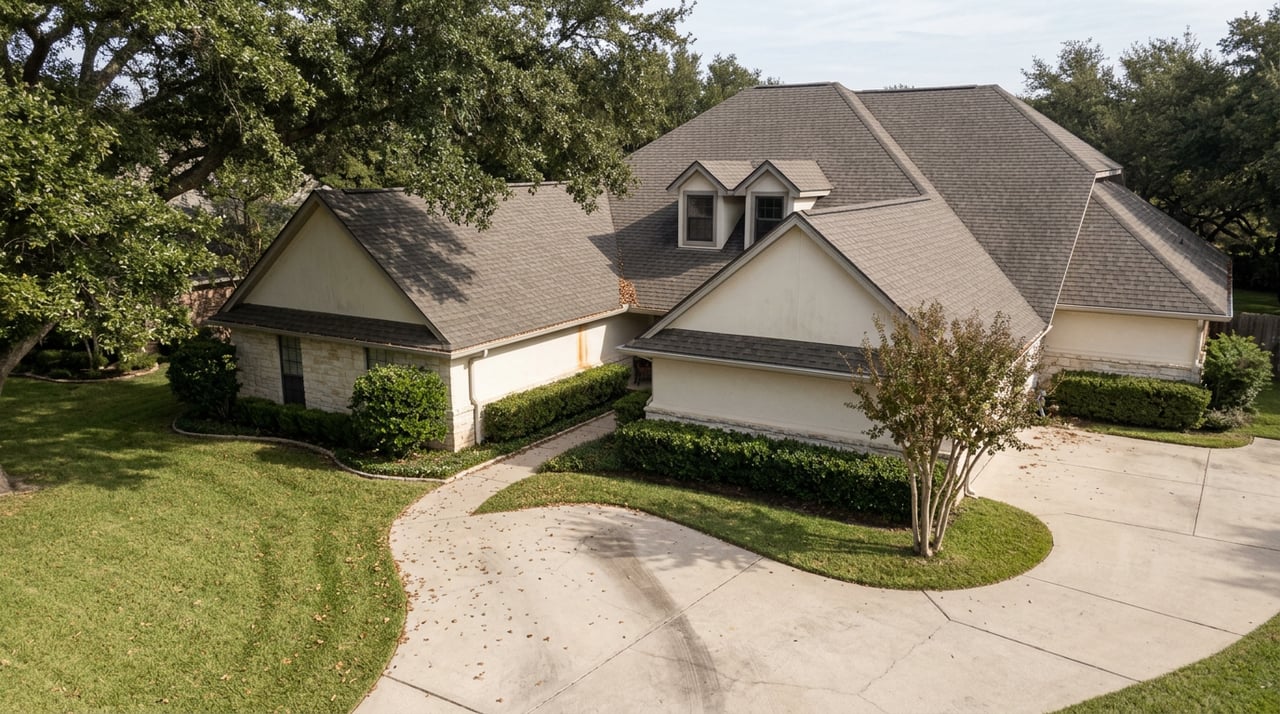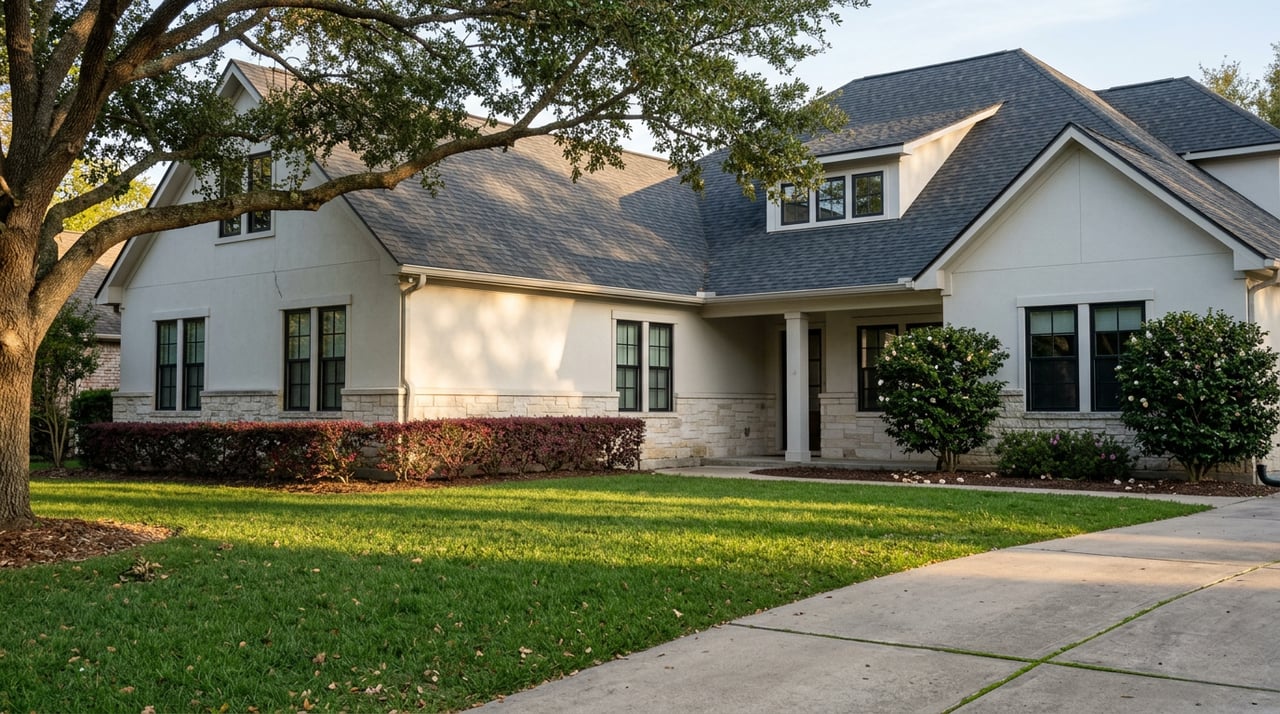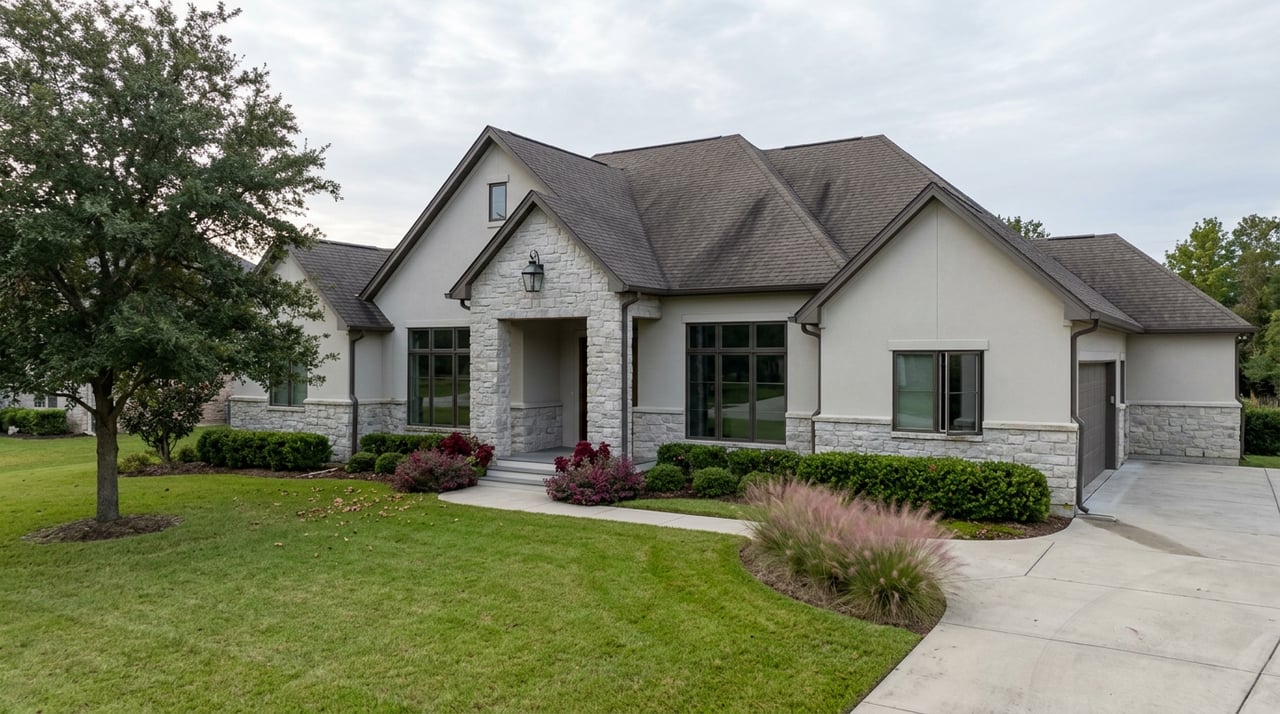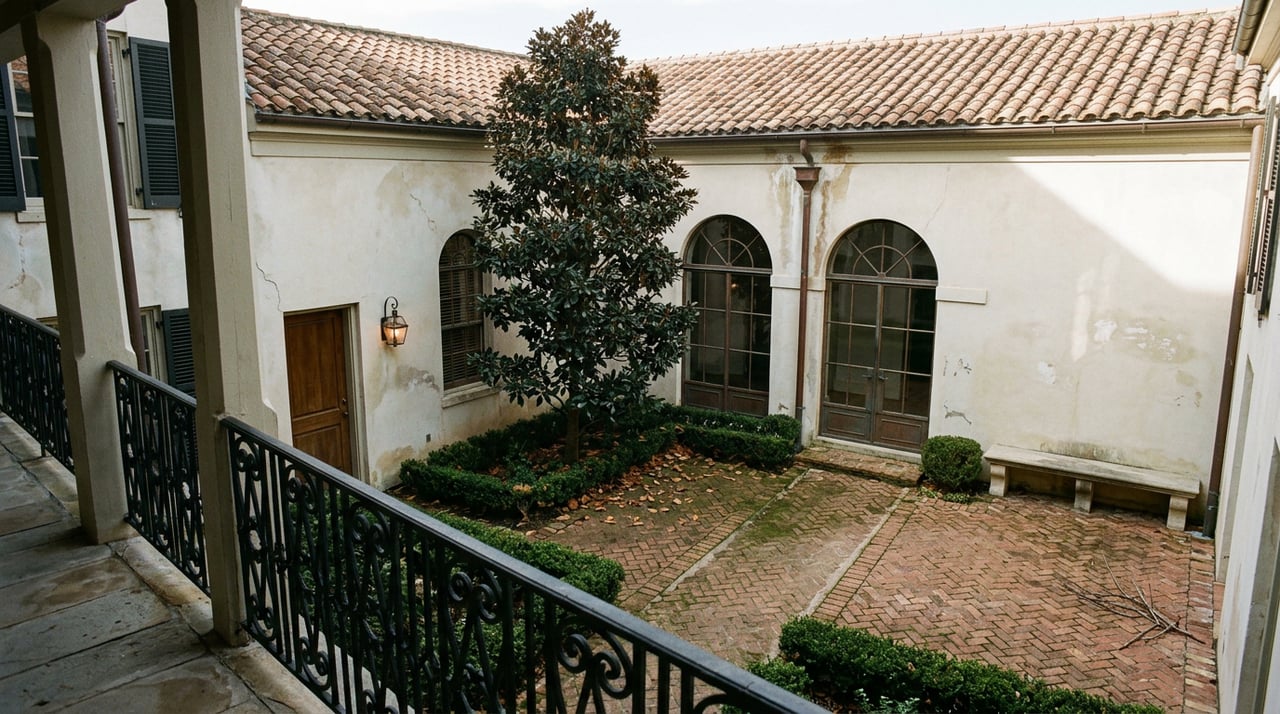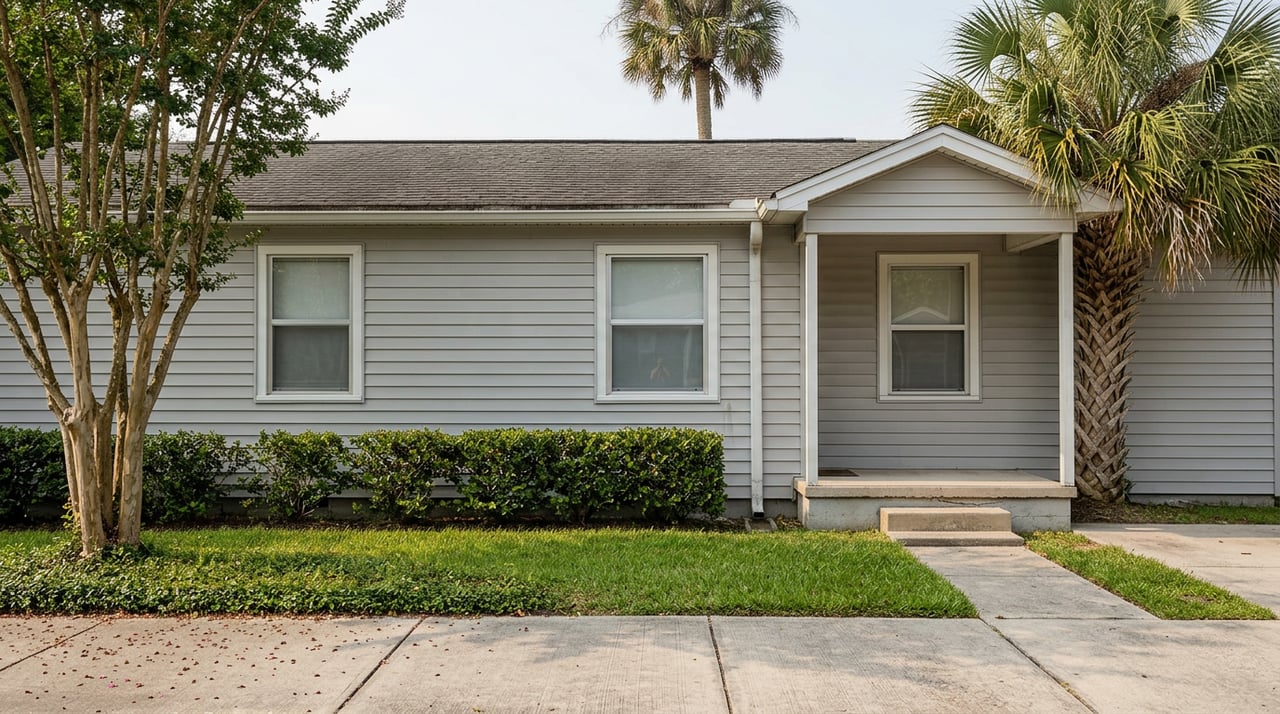
Drive south on Dauphin Island Parkway past the interstate and the corridor still shows its age in places. Vacant lots sit next to working businesses. Some storefronts are shuttered. That mix has been part of DIP's character for years, a legacy of the road losing its purpose after Hurricane Frederic tore out the only bridge to Dauphin Island in 1979 and turned what had been a thoroughfare into, in the words of one longtime business owner, "just a local community."
What's easy to miss, if you're only half paying attention on your commute, is that the improvements arriving on DIP right now aren't scattered. They keep converging on the same half-mile stretch, and the same intersection in particular: Old Military Road.
Two Sidewalk Projects, Nine Years Apart, One Shared Endpoint
Back in 2017, the nonprofit Peninsula of Mobile partnered with then-District 3 Councilman C.J. Small and the City of Mobile Traffic Engineering Department on Phase 2 of a project called "Connecting Mobile's Coastal Peninsula." That phase added 2,560 linear feet of new five-foot-wide, ADA-compliant sidewalk and upgraded existing sidewalks with ADA-compliant curb ramps on both sides of the parkway, running from Interstate 10 down to Old Military Road. The price tag was $201,530.40, funded through a Transportation Alternatives Program grant.
That was nine years ago. In March 2026, Peninsula of Mobile announced Phase 3, and it picks up exactly where Phase 2 left off. The new work extends from Neshota Road up to Old Military Road, and it specifically targets the Old Military Road and DIP intersection with new pedestrian signals and marked crosswalks. The anticipated cost is $235,594.10.
Read those two phases side by side and the pattern is hard to miss. The city didn't just build sidewalk once and move on. It built the sidewalk skeleton to Old Military Road in 2017, and now, nearly a decade later, it's coming back to signalize that same crossing and stretch the network further south. If you live along DIP and cross Old Military Road on foot, or watch your kids do it, this is the corner that has absorbed two separate rounds of grant funding aimed at making that specific crossing safer.
What Actually Changes When Phase 3 Wraps
The headline addition is the signalized crosswalk itself. Right now, Old Military Road and DIP is a busy intersection without dedicated pedestrian signals. Phase 3 adds them, along with marked crosswalks, which means a formal, protected way to cross rather than picking a gap in traffic. Combined with the sidewalk Phase 2 already laid down between I-10 and that same intersection, the corridor is close to having a continuous, walkable connection from the interstate down past Old Military Road, with the newest stretch reaching toward Neshota Road.
Peninsula of Mobile has framed this as part of a longer commitment to walkability and connectivity along the peninsula, not a one-off fix. Given that Phase 2 and Phase 3 are separated by almost a decade and both terminate at the same cross street, that framing holds up.
The Community Center Taking Shape Near Boykin Blvd
A few blocks away, near the intersection with Boykin Boulevard, a second piece of this puzzle has been moving forward. In 2024, the Mobile City Council took up a plan to design a new community center on the same lot as the existing Parkway Senior Center, adding a Boys & Girls Club location that would supplement, not replace, the existing one on Michigan Avenue.
At the time, Council President C.J. Small connected the project to a broader push.
"This is another step we are doing to revitalize that area."
Small also pointed to a summer program the city ran with the Boys & Girls Club, tying it to higher test scores at Gilliard Elementary and expressing hope to keep that trend going.
That plan hasn't stalled. In a New Year's Eve newsletter looking ahead to 2026, Mobile's mayor listed the new community center along Dauphin Island Parkway among the projects the city is actively building this year, alongside road resurfacing and stormwater work happening citywide. For a resident who remembers the 2024 council vote, this is confirmation the project moved from proposal to active construction rather than quietly disappearing.
The Palms at Gulf Dale, and What Business Owners Are Watching For
The infrastructure spending isn't the only sign of change. A local group called Revitalize DIP has been working the corridor from the ground up, literally. In late 2024, the organization planted three palm trees at the corner of Dauphin Island Parkway and Gulf Dale Drive, a small but visible piece of a stated mission built around three priorities: reducing blight, litter, and crime.
Revitalize DIP's spokesman, Bobby Lankford, owns a business near the future community center site, and he's been candid about what he'd like to see follow the public investment.
"We hope for maybe a hotel or two, maybe some more restaurants."
That's a modest ask, and it's telling. Lankford isn't describing a corridor being reinvented from scratch. He's describing incremental, visible momentum, palm trees at one corner, sidewalk and signals converging at another, a community center rising near a third, that he hopes will eventually pull commercial interest back to a road that's had plenty of vacant land for a long time.
What This Looks Like If You Live Here
If your daily route touches DIP between the interstate and Old Military Road, you're driving or walking through the corridor's most worked-on segment. The sidewalk is already there from the 2017 project. The signalized crossing at Old Military Road is the next piece to land. If your route runs further south toward Neshota Road, you're in the stretch Phase 3 is extending into now.
If you're closer to Boykin Boulevard, keep an eye on the Parkway Senior Center site. That's where the community center and the new Boys & Girls Club location are slated to go, and it's the piece of this that adds indoor, year-round space to a corridor that hasn't had much of it.
And if you've noticed the palm trees at Gulf Dale Drive and wondered what prompted them, now you know: a resident-led group with a specific three-point mission, working corner by corner rather than waiting for a master plan to arrive all at once.
None of this erases the vacant lots that are still part of DIP's landscape today. But the pattern across sidewalks, signals, a community center, and a beautification effort all pointing at the same few blocks is not a coincidence. It's what a corridor looks like when multiple, smaller efforts start reinforcing each other instead of happening in isolation.
If you're curious how these changes might shape property interest along DIP over time, or if you're weighing a move within the neighborhood, The Cummings Company keeps close tabs on corridors like this one. You can browse current listings on our Dauphin Island Parkway neighborhood page or reach out directly. Start Your Home Search whenever you're ready, and we'll walk you through exactly what's changing block by block.